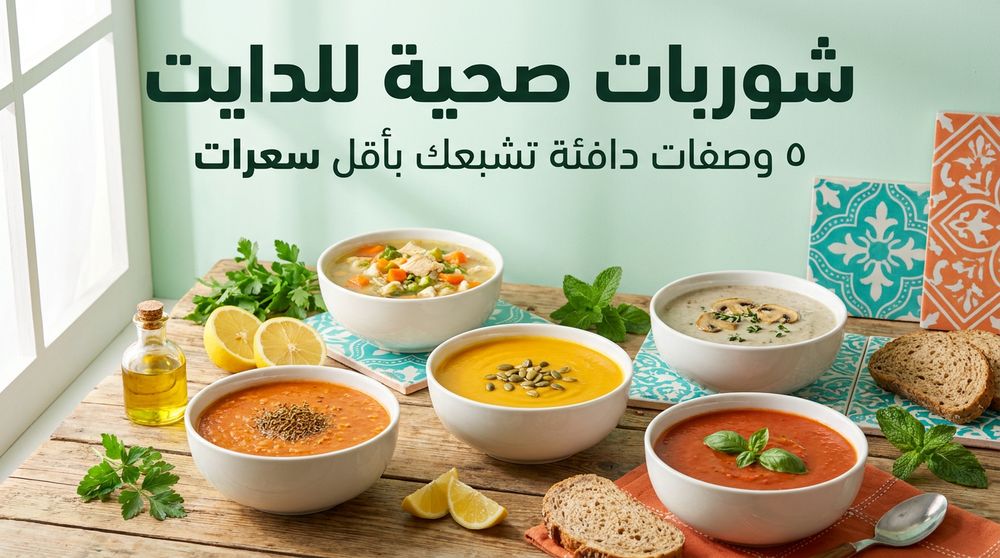
Healthy Soup Recipes for Weight Loss: 5 Warm, Filling Winter Soups Under 250 Calories
Last updated: November 25, 2026
When the weather turns cold, the cravings turn heavy: rich stews, bread with everything, hot sweet drinks. A bowl of soup is one of the easiest ways to eat warm and still stay in control, as long as you build it well. If you would rather have a plan made around your taste and routine, you can start with an online nutrition consultation or a personalised diet plan from Prof Health.
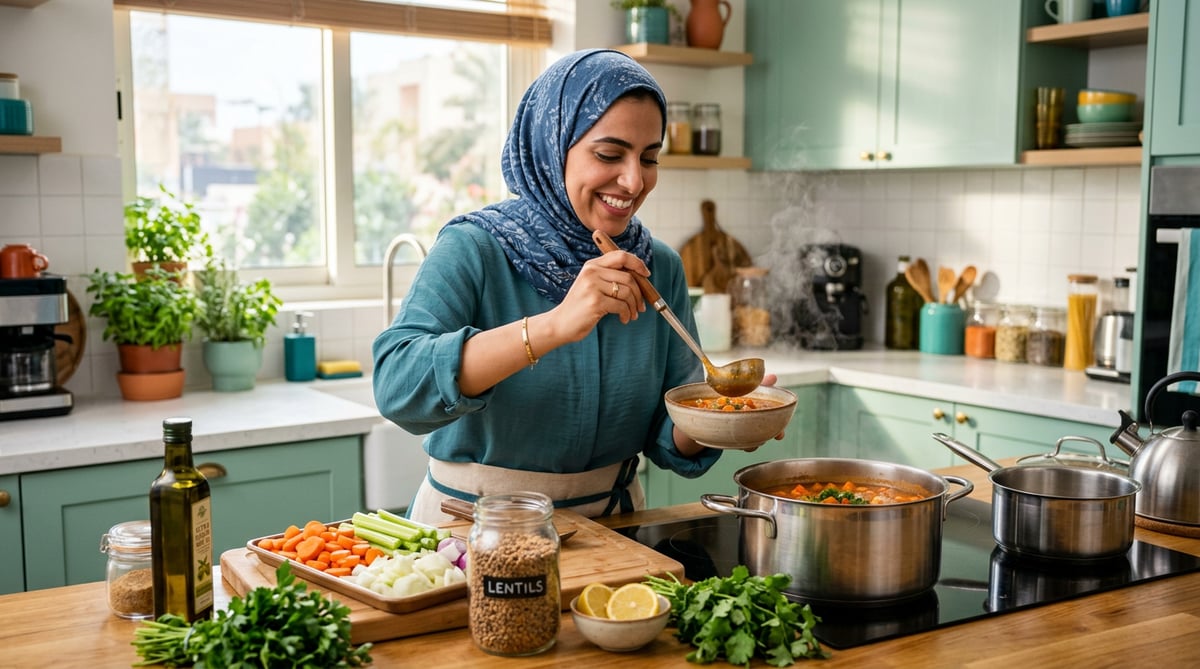
Why can soup help you eat less without feeling hungry?
Soup helps for three practical reasons. First, volume: a large bowl made mostly of water and vegetables fills the stomach for relatively few calories. Second, speed: hot soup is eaten more slowly with a spoon, which gives your body time to register fullness. Third, structure: when a soup contains protein (chicken, lentils, chickpeas) and fibre (vegetables, legumes, oats), it keeps you satisfied for longer than a quick snack of the same calories.
The World Health Organization advises adults to aim for at least 400 grams of fruit and vegetables a day and at least 25 grams of naturally occurring dietary fibre, and to keep free sugars below 10% of daily energy. A vegetable and legume soup is an easy way to move toward those targets in a single meal. Soup is not magic, though: a cream-based or oily soup can pass 400 calories in one bowl, so the recipe matters more than the word “soup”.
Which soups are lightest, and how many calories do they have?
The figures below are approximate estimates per serving (one large bowl, about 350 ml) for a recipe serving four, calculated from typical ingredient values. Brands, portion sizes and the amount of oil change them, so treat them as a guide and not as a measurement.
| Soup | Main filling ingredient | Approx. calories per bowl | Protein |
|---|---|---|---|
| Red lentil and carrot | Lentils | about 190 | Medium to high |
| Chicken and vegetable | Chicken breast | about 210 | High |
| Roasted pumpkin and ginger | Pumpkin, yoghurt swirl | about 140 | Low to medium |
| Mushroom and oat | Oats, mushrooms | about 150 | Medium |
| Tomato and chickpea | Chickpeas | about 200 | Medium |
What are five easy healthy soup recipes for weight loss?
1. Red lentil and carrot soup (about 190 calories)
Ingredients (serves 4): 1 cup (about 200 g) red lentils, 2 carrots, 1 onion, 2 garlic cloves, 1 tablespoon olive oil, 1 teaspoon cumin, about 1.2 litres of water or low-sodium broth, juice of half a lemon.
Method: Soften the onion and garlic in the oil for 3 minutes, add the chopped carrots, cumin and the rinsed lentils, then add the liquid. Simmer for 25 minutes until the lentils collapse, blend lightly if you like a smooth texture, and finish with lemon. It is rich in plant protein and fibre, which is why it keeps you full.
2. Chicken and vegetable soup (about 210 calories)
Ingredients (serves 4): 300 g chicken breast, 2 carrots, 2 zucchini, 2 celery stalks, 1 small potato, 1 onion, about 1 litre of low-sodium broth or water, parsley, black pepper, and a pinch of salt.
Method: Simmer the chicken with the onion and celery for 20 minutes, remove and shred it, then cook the diced vegetables in the same broth for 12 minutes. Return the chicken, add parsley and pepper. This is the highest-protein option, a good choice for a light dinner.
3. Roasted pumpkin and ginger soup (about 140 calories)
Ingredients (serves 4): 600 g pumpkin, 1 onion, 1 tablespoon olive oil, 1 teaspoon grated ginger, 1/2 teaspoon turmeric, about 800 ml water, 4 tablespoons low-fat yoghurt to serve.
Method: Roast the pumpkin and onion with the oil at 200 degrees for 25 minutes, transfer to a pot with the ginger, turmeric and water, simmer for 10 minutes and blend. A spoon of yoghurt gives a creamy feel without cream.
4. Mushroom and oat soup (about 150 calories)
Ingredients (serves 4): 400 g mushrooms, 3 tablespoons rolled oats, 1 onion, 2 garlic cloves, 1 teaspoon olive oil, 1 teaspoon thyme, about 900 ml water or broth, 200 ml low-fat milk.
Method: Brown the sliced mushrooms in a non-stick pot with the oil, add onion, garlic and thyme, then the oats and the liquid. Simmer for 15 minutes, blend half of the soup and stir in the milk. The oats thicken it naturally, so no cream or flour is needed.
5. Tomato and chickpea soup (about 200 calories)
Ingredients (serves 4): 400 g chopped tomatoes (fresh or canned without added sugar), 1.5 cups cooked chickpeas, 1 onion, 2 garlic cloves, 1 tablespoon olive oil, basil or oregano, about 700 ml water.
Method: Cook the onion and garlic in the oil, add tomatoes and herbs for 10 minutes, then the chickpeas and water for another 15 minutes. Blend a third of the pot for body and keep the rest chunky.
How do you keep a soup light and filling?
- Measure the oil. One tablespoon of olive oil is about 120 calories, so use one tablespoon for the whole pot, not per bowl.
- Add protein. Lentils, chickpeas, chicken or a boiled egg on top help the meal last until the next one.
- Watch the salt. WHO recommends adults keep sodium below 2,000 mg a day, equal to less than 5 g of salt. Stock cubes and ready-made soups are often high in sodium, so use herbs, lemon and spices for flavour.
- Thicken without cream. Use oats, potato, a blended legume or a spoon of yoghurt instead of cream or flour roux.
- Limit the bread. One small slice of whole-grain bread is enough; a large basket can double the meal.
What are the most common soup mistakes on a diet?
The most common mistake is treating soup as free food and adding a large portion of bread, rice or fried toppings. The second is relying on instant powders and stock cubes, which add plenty of salt but little nutrition. The third is a soup with no protein at all, such as a plain vegetable broth: it feels light, but hunger returns within an hour and leads to snacking. Finally, many people skip the vegetables and thicken the pot with cream or flour. Fix these four points and almost any soup becomes a useful tool.
What does a week of soup dinners look like?
You do not need soup every night. Two or three soup dinners a week, with a salad and a protein, are realistic and easy to repeat.
| Day | Soup | Add on the side |
|---|---|---|
| Saturday | Red lentil and carrot | Cucumber salad and 1 slice whole-grain bread |
| Monday | Chicken and vegetable | Green salad with lemon |
| Wednesday | Roasted pumpkin and ginger | 2 boiled eggs and a handful of nuts |
| Thursday | Tomato and chickpea | Tuna or grilled chicken strips |
| Friday | Mushroom and oat | Fresh vegetable platter and labneh |
What should I do now?
- Choose one soup from the list and cook a pot this evening; it keeps in the fridge for 3 days.
- Measure one tablespoon of oil for the whole pot and skip the cream.
- Add a protein source to every bowl and one small slice of whole-grain bread at most.
- If you want a plan built around your own food preferences and daily routine, book an online nutrition consultation or start the personalised diet plan.
Turn healthy recipes into a plan that fits your life
Prof Health nutrition specialists build the plan around your taste, schedule and goal, and you can ask questions before you subscribe.
Book an online consultation Start your personalised diet plan
Or choose daily follow-up with the Eid Package for 3 months of support.
Frequently asked questions
Is soup good for weight loss?
It can be, when it is vegetable or legume based, contains protein and has little oil. It works because it is filling for few calories. Cream-based and oily soups can contain as many calories as a full meal.
How many calories should a diet soup have?
A main-meal bowl of roughly 150 to 250 calories with protein and fibre is a reasonable target for many people, but needs differ by age, weight and activity. A nutrition specialist can set your own number.
Can I eat soup every day?
You can, provided you vary the ingredients, keep the salt low and still eat enough protein and other food groups across the day. Variety matters more than any single dish.
Are canned or instant soups fine?
They are convenient but often high in sodium and sometimes in added sugar or fat, so check the label and prefer homemade versions most of the time.
Should I consult a specialist before changing how I eat?
Yes, if you have diabetes, high blood pressure, kidney problems, take medication, or are pregnant or breastfeeding. Never stop a medicine on your own.
Read also
- Dieting in winter: warm meals that keep you full
- Light dinner recipes for weight loss
- Legume recipes for weight loss
- Healthy chicken recipes for weight loss
Health note: This content is educational and does not replace advice from your doctor or dietitian. Do not stop a medicine or change its dose without consulting your doctor, and each person's results differ. Calorie figures are estimates.
References
- Healthy diet — World Health Organization (WHO) — https://www.who.int/news-room/fact-sheets/detail/healthy-diet
- Sodium reduction — World Health Organization (WHO) — https://www.who.int/news-room/fact-sheets/detail/salt-reduction