Dieting in Winter: Why Does Cold Weather Make You Hungrier? 6 Warm Fixes That Keep You Full Without Gaining Weight
When the first cold wave hits Riyadh, our eating changes: we crave hot soup, warm bread and sweets, and the sofa wins over a walk. If you are on a diet, your appetite may feel out of control. The good news is that this is common, has understandable causes, and winter is not a sentence to weight gain. In this Prof Health guide we explain why hunger rises in cold weather and how to turn warm meals into a fullness tool, with a simple 7-day plan.

Why does appetite rise in winter?
- Shorter days: less light can disturb the body clock and appetite hormones.
- Serotonin and mood: carbohydrates give a temporary mood lift, so we crave pastries and sweets.
- Need for warmth: evidence that cold itself drives hunger is mixed, so do not use it as an excuse.
- Less movement: we go out less and sit more.
6 warm fixes that keep you full
1) Start with a light soup
Vegetable, lentil or skinless chicken soup before the main meal adds volume with fewer calories. Skip the cream and butter.
2) Protein-rich breakfast
Eggs, Greek yogurt or fava beans keep blood sugar steady and delay hunger.
3) Fiber at every meal
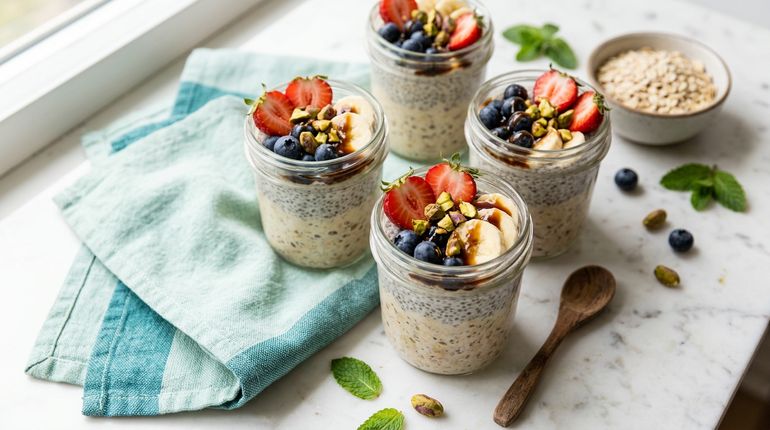
Oats, lentils, broccoli, apples and chia slow digestion and prolong fullness.
4) Water or herbal tea before eating
Thirst is easy to mistake for hunger in cold weather. Some studies suggest about two cups of water 30 minutes before a meal modestly lowers calorie intake.
5) Keep moving, even at home
15 to 20 minutes of brisk walking or a light home workout protects muscle and lifts mood.
6) Keep regular meal and sleep times
Regular daytime meals, an early light dinner and enough sleep help the body clock settle.

Your winter plan with Prof Health
Need a nutrition plan that fits your food and schedule? Book a consultation with the Professor on Zoom, or start the 30-day challenge.
Book your consultation (SAR 230)Start the 30-day challenge (SAR 245)Last updated: November 24, 2026. General educational information; it does not replace medical advice.