Anti-Inflammatory Foods and Gentle Mobility: A Practical Guide to Joint Comfort and Body Health
Last updated: November 24, 2026
Many people notice morning stiffness, clicking knees or a heavy back after a long day and assume it is simply age. In reality, low-grade chronic inflammation, too little movement, extra body weight and a lot of processed food can combine to amplify aches and fatigue. The good news is that your daily habits in the kitchen and in the living room genuinely influence them. If you want a nutrition plan that fits your weight, goal and health status, start with the personalised diet plan from Prof Health.

What does anti-inflammatory eating actually mean?
Inflammation is a normal response that protects the body from injury and infection, but it becomes a problem when it lingers at a low level for a long time. Recent reviews suggest that Mediterranean-style and whole-food plant-based patterns bring modest to moderate improvements in pain and physical function for people with osteoarthritis, and they complement the effect of weight loss in reducing the load on joints. The same reviews are also clear that the evidence is still limited and needs longer trials, so food is a partner to the treatment your doctor prescribes, not a replacement for it.
The practical idea is simple: eat more whole foods rich in fiber, unsaturated fats and antioxidants, and eat less of what spikes sugar and adds saturated fat and ultra-processed ingredients. You do not need deprivation or complicated lists, just small swaps repeated every day.
7 foods that support joint comfort
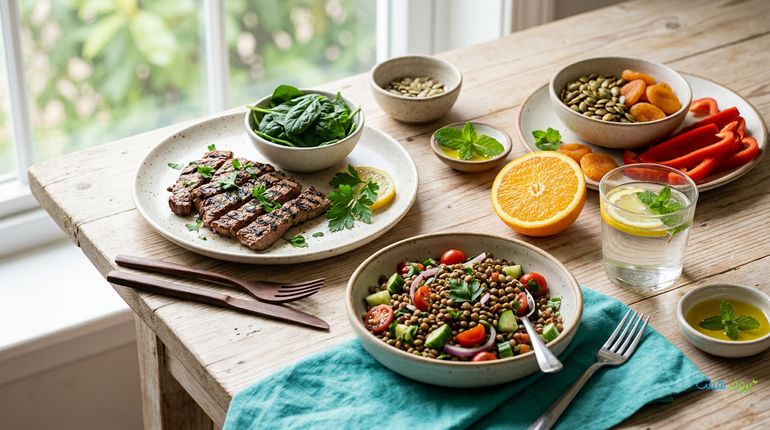
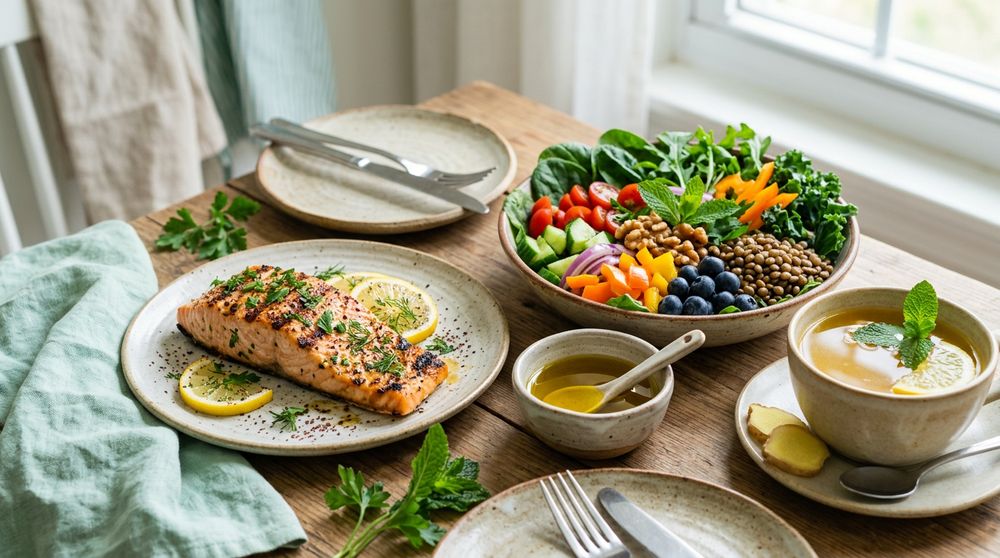
- Oily fish (salmon, sardines, mackerel): rich in omega-3, whose higher intake has been linked with lower inflammation markers such as C-reactive protein. Aim for two servings a week, about 85 to 115 grams each.
- Extra virgin olive oil: contains phenolic compounds with anti-inflammatory activity. Use it in salads and gentle cooking instead of hydrogenated oils, around two to three tablespoons a day.
- Colorful and leafy vegetables: spinach, rocket, peppers, tomatoes and broccoli. Nightshades such as tomatoes and eggplant are often blamed for joint pain, yet there is no scientific evidence that they trigger flares, so there is no need to avoid them.
- Berries and red fruit: a source of anthocyanins. Some small studies found better inflammation markers with berries and tart cherry juice, although the results are not conclusive yet.
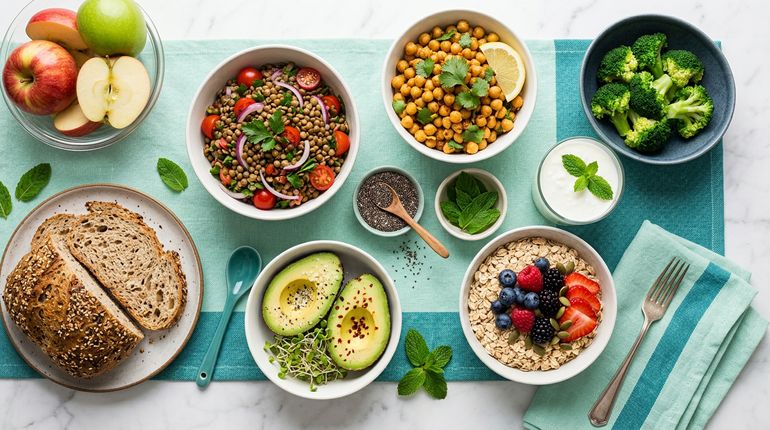
- Nuts and seeds: a small handful of walnuts, almonds or chia gives you plant omega-3, magnesium and fiber.
- Legumes and whole grains: lentils, chickpeas, oats, bulgur and brown rice. Fiber may lower C-reactive protein, extends fullness and helps manage weight.
- Ginger and turmeric: flavorful spices. Some small randomized trials suggest ginger may ease knee pain slightly, but conclusions are not firm, so do not rely on either one alone.
What is worth reducing?
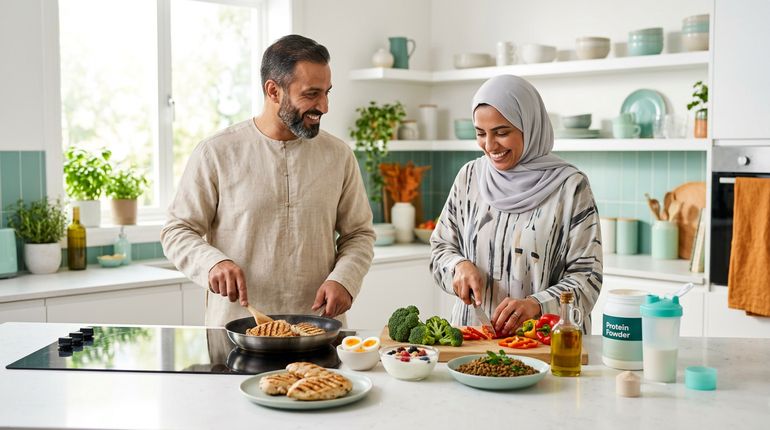
You do not need a long list of forbidden foods. Focus on trimming three things that show up often on our tables: sweetened drinks and industrial desserts, processed meats and deep-fried food, and white flour and pastries made with hydrogenated oils. Swap them gradually: mint water instead of soda, grilled chicken or fish instead of fried food, wholegrain bread instead of white. One change a week beats a food revolution that collapses after three days.

5 gentle mobility moves in 5 minutes a day
Joints love movement, because synovial fluid circulates and nourishes cartilage when you move. Start slowly, never push into sharp pain, and repeat each move 8 to 10 times:
- Shoulder circles: stand tall and draw big circles backward and then forward to ease neck and shoulder tension.
- Cat-cow: on hands and knees, round your back and then lower it slowly to mobilize the spine.
- Lying knee-to-chest: hug one knee toward your chest and switch sides for hip and lower-back flexibility.
- Chair sit-to-stand: then progress to doing it without your hands to strengthen the thigh muscles that protect the knee.
- Hamstring stretch: sit, extend one leg and lean forward gently for thirty seconds on each side.
Finish the routine with a glass of water and a meal containing protein and vegetables within two hours, which supports recovery of the muscles around your joints.
How much activity do you need each week?
The World Health Organization recommends that adults do between 150 and 300 minutes of moderate aerobic activity a week, or 75 to 150 minutes of vigorous activity, plus muscle-strengthening work for all major muscle groups on two or more days. It also advises limiting long periods of sitting. Brisk walking, swimming and stationary cycling are joint-friendly options. Remember that some activity is better than none, and it can be split into short bouts throughout the day.
Weight and joints: a direct link
Every kilogram you lose takes roughly four kilograms of load off your knees while walking, so losing 5 kilograms means your knees shed about 20 kilograms of pressure with every step. Extra body fat also produces inflammatory substances, so weight loss helps your joints in two ways. Aim for a moderate calorie deficit and enough protein to protect muscle, rather than a crash diet.
A sample day
| Meal | Suggestion |
|---|---|
| Breakfast | Oats with milk, a handful of berries and chopped walnuts, plus ginger tea |
| Snack | Unsweetened Greek yogurt with chia seeds |
| Lunch | 100 g grilled salmon, vegetable salad with olive oil, half a cup of bulgur |
| Snack | Hummus with cucumber and carrot sticks |
| Dinner | Turmeric lentil soup, wholegrain bread and a leafy salad |
| Movement | 20-minute walk after lunch, then the five mobility moves in the evening |
Common mistakes
- Relying on supplements instead of whole foods, since evidence leans toward food sources over isolated extracts.
- Resting completely at the first twinge, when gentle movement is usually more helpful than inactivity.
- Trying a strict short-term diet and then returning to old habits.
- Overdoing olive oil and nuts without counting calories: they are healthy but energy-dense.
- Neglecting sleep, because poor sleep heightens pain perception and increases appetite.
When should you see a doctor?
Talk to your doctor if the pain is severe or sudden, if a joint is swollen, red and warm, if morning stiffness lasts more than half an hour, or if pain affects your sleep and daily movement. If you take blood thinners, speak with your doctor before increasing omega-3 or starting any supplement. Never stop a medication on your own.
Frequently asked questions
Does turmeric cure joint pain?
Turmeric is a healthy spice and can fit an anti-inflammatory pattern, but the clinical evidence is still inconclusive, so enjoy it in cooking and do not treat it as a therapy.
How long until I notice a difference?
Response varies. Some studies report improvement within weeks of consistent eating, while others may need about three months. What matters is consistency and reviewing progress with a professional.
Should I avoid dairy and wheat?
There is no general evidence that everyone must, except people with an allergy or celiac disease. Ask your doctor or dietitian before removing any food group.
Should I exercise despite knee pain?
Often yes, with low-impact movement, but check with your doctor or physiotherapist first so the intensity suits your condition.
Ready for a plan that fits your body and taste?
Choose the Prof Health service that suits you, and ask before you subscribe if you wish.
Health note: This content is educational and does not replace a doctor's advice. Do not stop a medication or change its dose without consulting your doctor, and every person's results differ.
Read also
- Sitting too long at work: 7 short movement breaks every 30 minutes
- How many steps a day do you really need? A 4-week walking plan
- Hidden salt and blood pressure: a practical guide to cutting sodium
References
- Nutritional Interventions in Osteoarthritis: Mechanisms, Clinical Evidence, and Translational Opportunities – https://pmc.ncbi.nlm.nih.gov/articles/PMC12844890/
- Mediterranean diet and osteoarthritis: an update – https://pmc.ncbi.nlm.nih.gov/articles/PMC11614952/
- Arthritis Foundation – The Ultimate Arthritis Diet – https://www.arthritis.org/health-wellness/healthy-living/nutrition/anti-inflammatory/the-ultimate-arthritis-diet
- WHO 2020 guidelines on physical activity and sedentary behaviour – https://pmc.ncbi.nlm.nih.gov/articles/PMC7719906/