Protein and Supplements After 40: How to Protect Your Muscle and Slow Age-Related Muscle Loss
Last updated: November 27, 2026
The short answer
As we age, muscles respond less to protein, so expert groups recommend that healthy older adults eat at least 1.0–1.2 grams of protein per kilogram of body weight per day, and more if they exercise. The most useful move is to combine enough protein, spread across meals, with resistance training. Supplements such as protein powder help close gaps but do not replace good food, and anyone with kidney disease or regular medication should talk to a doctor first.
Many people notice after 40 that weights feel heavier and that the scale barely moves while the tape measure does: more fat, less muscle. That shift is not inevitable, but it calls for a different plan than in your twenties. In this guide we explain what happens to your muscles, how much protein you really need, which supplements have reasonable scientific support and which you can skip, and we finish with a practical four-week plan. If you want a programme tailored to your weight, medication and goal, you can start with an online nutrition consultation with the Professor.
What happens to your muscles as you age?
Muscle mass and strength decline gradually with age. When the decline speeds up and starts to affect movement and balance, it is called sarcopenia, or age-related muscle loss. Scientific reviews describe low protein intake as one of the modifiable factors that raise the risk of muscle loss, with consequences that can include falls, fractures and loss of independence.
Why does the body need more protein?
Research points to three main reasons. First, people may simply eat less because of reduced appetite or digestive problems. Second, the body becomes less efficient at using the protein it receives, which researchers call anabolic resistance. Third, needs can rise because of inflammation and chronic illness. The result is that the amount that was enough twenty years ago may fall short today.
Key point: protein alone is not enough. Guidelines stress that combining protein with resistance exercise works far better than either on its own.
How many grams of protein do you need per day?
The general recommendation for healthy adults is 0.8 grams per kilogram, but it was set for the general population, not for people who train or who are getting older. Here is what specialist bodies say:
- Healthy older adults (over 65): at least 1.0–1.2 g/kg per day, according to the PROT-AGE study group and the ESPEN expert group.
- People who exercise: 1.2 g/kg or more, in line with the PROT-AGE advice for active adults.
- People with chronic illness or malnutrition risk: 1.2–1.5 g/kg may be advised, under medical supervision.
- A practical ceiling: some reviews suggest that going beyond 2–2.5 g/kg may be excessive and can cause digestive discomfort.
How to work out your own target: a worked example
If you weigh 70 kg and train regularly, a target of 1.2–1.6 g/kg means roughly 84–112 grams a day. This is a practical range many dietitians use for people in their forties and fifties who train. It is not a fixed number for everyone, so adjust it to your health status. Rather than eating most of it at dinner, spread it over three or four meals of roughly 25–40 grams each, which suits how an older body builds protein.

Meal ideas that deliver 25–40 grams
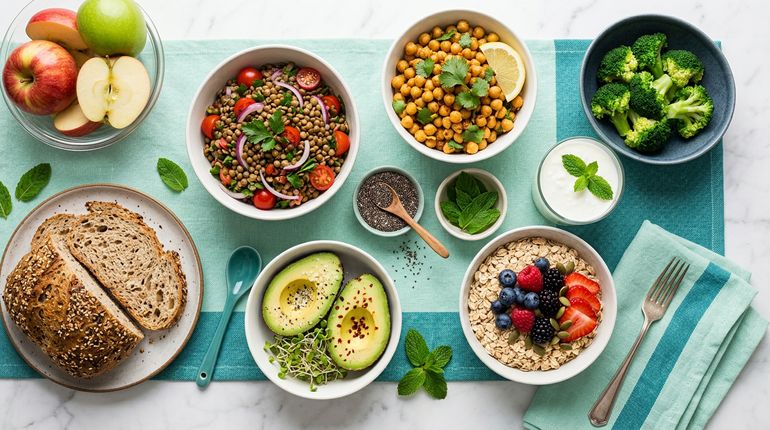
- Breakfast: two eggs with Greek yogurt and wholegrain bread.
- Lunch: a palm-sized portion of grilled chicken or fish with rice and salad.
- Dinner: lentils or chickpeas with yogurt and an egg, or cottage cheese with vegetables.
- Snack: a protein shake (whey or plant-based) when food alone makes the target hard to reach.
Supplements: what has evidence and what you can skip
Food always comes first and supplements only fill the gap. Some health agencies note that certain older adults cannot get enough protein from food alone and may need supplements, and they advise deciding this together with a health care team.
1) Protein powder: whey, casein or plant-based
Whey is rich in leucine and quickly digested, and studies show it stimulates muscle protein synthesis, which makes it a practical choice if large meals are hard for you. Choose a low-lactose version if milk makes you bloated, or a fortified plant protein if you avoid dairy. Whatever you pick, make sure the product is registered and tested by an independent party.
2) Creatine monohydrate
It is the most studied sports supplement, and some studies suggest it may support strength and muscle in older adults when combined with resistance training, although the evidence is thinner than in young people. The usual dose is 3–5 grams a day with enough water, and it is not advised for people with kidney disease without a doctor's approval.
3) Vitamin D: test before you take it
Despite the sunshine in our region, vitamin D deficiency is common because of limited sun exposure and extreme heat. Do not take high doses at random. Ask for a blood test first, then let your doctor set the dose, because more than you need is not safe.
4) Omega-3
It can help the heart if you do not eat fish regularly, but the evidence for a direct effect on muscle is limited and mixed. If you eat oily fish twice a week you may not need it, and if you take blood thinners, check with your doctor.
5) Supplements you usually do not need
If your total protein is already adequate, adding BCAAs, muscle boosters or unlabelled blends rarely adds proven benefit and may simply cost more. Start with the basics, then add one supplement at a time and watch the result.
Caution: choose products authorised by the Saudi Food and Drug Authority, read the label carefully, and avoid products that promise fast results or hide their ingredients.
A 4-week plan to protect your muscle
- Week 1 (assess): calculate your target in grams, log what you eat for three days and spot the gap. Start simple resistance training twice a week.
- Week 2 (distribute): spread protein across at least three meals, and add a clear source at breakfast, the meal people skip most often.
- Week 3 (train): move to three sessions a week covering squats, pushes, pulls and brisk walking, adding load gradually.
- Week 4 (review): compare your strength, measurements and energy, then decide whether you need a supplement to fill the gap or whether food changes are enough.
Common mistakes that waste the benefit
- Saving protein for dinner: spreading it over the day works better than one huge meal.
- Relying on powder without training: protein without resistance exercise gives only a fraction of the benefit.
- Ignoring sleep and water: poor sleep weakens recovery and increases hunger.
- Stacking several supplements at once: you will not know what helps and what upsets you.
- Skipping tests: iron, vitamin D, B12 and kidney function should be measured, not guessed.
Want a plan that fits your body and your goal?
With the 30-Day Challenge, three specialists in nutrition, fitness and mindset follow your progress, or book an online consultation with the Professor to set the right protein and supplements for you.
Discover the 30-Day ChallengeBook your consultationWhen to see a doctor before raising your protein
If you have advanced kidney disease, protein may need to be restricted under medical supervision, so do not rely on general numbers. Also talk to a doctor if you are pregnant or breastfeeding, have diabetes or liver disease, take medication regularly, or notice symptoms such as severe fatigue, unexplained weight loss or sudden muscle weakness.
Frequently asked questions
Does extra protein harm the kidneys?
In healthy people without kidney disease, current evidence does not show clear harm at reasonable intakes, but very high intakes bring no extra benefit, and anyone with kidney disease needs medical follow-up.
Are supplements enough on their own to protect muscle?
No. Regular training and a balanced diet are the foundation, and supplements act as support when there is a shortfall.
How long until I see results?
You may notice better strength and energy within weeks, while changes in muscle mass take months of consistent effort.
Note: this article is for health education and does not replace advice from a doctor or dietitian, especially if you have a health condition or take medication.