Keto Breakfast Recipes: 5 Quick Ideas That Support Fat Burning and Keep You Full Until Lunch
Last updated: November 25, 2026
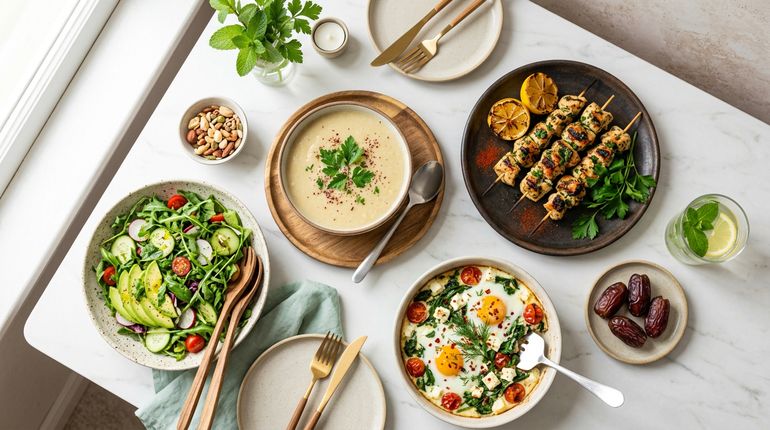
Breakfast sets your appetite for the rest of the day. On keto, many people fall into the same trap: they remove bread, juice, dates and cereal, find no smart replacement, get hungry before noon and drift back to sweets. The fix is to build breakfast on protein and healthy fats from the very first bite. And if you want a complete plan that fits your weight, goal and taste instead of random trial and error, you can start with the personalised diet plan from Prof Health.

What is a keto breakfast, and how does it relate to fat burning?
Keto is a high-fat, moderate-protein, very low-carbohydrate eating pattern that aims to put the body into ketosis, where it uses fat and ketones as its main fuel instead of glucose. It is usually defined as under 50 grams of carbohydrate a day, although the right limit for you depends on your body, activity level and health.
Let us be precise: no single meal burns fat by magic. What happens is that foods rich in protein and fat and low in carbohydrate keep you full for longer and steady your appetite, which makes it easier to manage your total calories across the day, and that is what supports gradual weight loss. A protein-rich morning meal also reduces cravings for sugary snacks in many people. That is why the recipes below are designed around real satiety, with ingredients you can find in any grocery store and preparation that takes 20 minutes or less.
Simple rules for a successful keto breakfast
- Start with protein: two to four eggs, halloumi, smoked fish or unsweetened Greek yogurt, depending on your carb limit.
- Add a healthy fat: avocado, olive oil, tahini, nuts or seeds, preferring unsaturated fats where possible.
- Do not forget fibre: spinach, cucumber, a little tomato, mushrooms, or chia and flax seeds.
- Watch hidden carbs: flavoured yogurt, packaged sweeteners and oat milk carry more carbohydrate than you expect, so read the nutrition label.
- Water and minerals: drink enough water and get sodium, potassium and magnesium from food, since fluid balance can shift when you cut carbohydrates.
The nutrition values in the recipes are approximate and vary by brand and size. They are for illustration only and are not a medical calculation.
Recipe 1: Avocado baked eggs
Serves: 2 | Time: 20 minutes | Net carbs: about 3 g per serving
Ingredients: 2 ripe avocados, 4 eggs, 40 g grated cheddar, salt and black pepper, a pinch of paprika, and chopped parsley.
Method: Heat the oven to 200°C. Halve the avocados, remove the stones and widen each hollow slightly with a spoon. Set the halves in a small baking tray so they do not tip, and crack an egg into each. Sprinkle with cheese and seasoning and bake for 15 to 18 minutes until the whites set. Serve warm with parsley. It is rich in healthy fats and protein and keeps you full for hours.
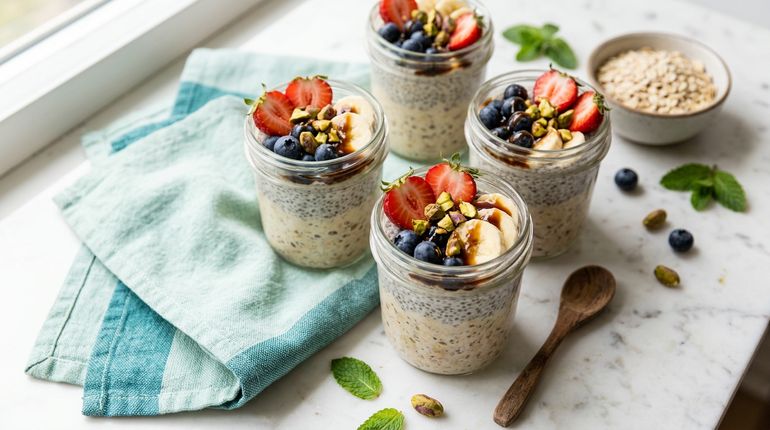
Recipe 2: Coconut and strawberry chia pudding
Serves: 2 | Time: 5 minutes plus overnight chilling | Net carbs: about 4 g per serving
Ingredients: 4 tablespoons chia seeds, 300 ml unsweetened almond milk, 100 ml coconut cream, half a teaspoon of vanilla, 6 chopped strawberries, and an optional zero-calorie sweetener such as stevia.
Method: Mix the chia with the almond milk, coconut cream and vanilla, leave for 10 minutes, then stir again to stop clumps forming. Cover and refrigerate overnight. In the morning, divide between two glasses and top with strawberries. Perfect for busy days because it is ready before you wake up, and it is high in fibre.
Recipe 3: Za'atar halloumi with cucumber and olives
Serves: 2 | Time: 10 minutes | Net carbs: about 5 g per serving
Ingredients: 240 g sliced halloumi, 1 tablespoon olive oil, 1 teaspoon za'atar, 2 small cucumbers, 1 small tomato, 8 olives, and the juice of half a lemon.
Method: Heat the oil in a non-stick pan and brown the halloumi for two minutes on each side until golden. Sprinkle with za'atar. Slice the cucumber and tomato and serve with the olives and lemon juice. This breakfast has a Saudi flavour and feels like a familiar morning table, only without bread. Note: halloumi is high in sodium, so use a smaller portion if you are watching your blood pressure.

Recipe 4: Almond and cream cheese pancakes
Serves: 2 (6 small pancakes) | Time: 15 minutes | Net carbs: about 6 g per serving
Ingredients: 60 g fine almond flour, 60 g soft cream cheese, 3 eggs, half a teaspoon of baking powder, half a teaspoon of cinnamon, a pinch of salt, and butter or ghee for the pan.
Method: Whisk the cream cheese with the eggs until smooth, then add the almond flour, baking powder, cinnamon and salt and stir until combined. Let the batter rest for two minutes so it firms up. Heat a pan with a little butter over medium-low heat, spoon in a tablespoon of batter per pancake, and cook two to three minutes on each side. Serve with a few berries or natural peanut butter with no added sugar. Tip: almond flour is calorie-dense, so stick to the measured amount.
Recipe 5: Smoked salmon and cream cheese cucumber roll-ups
Serves: 2 | Time: 10 minutes | Net carbs: about 4 g per serving
Ingredients: 100 g smoked salmon, 60 g cream cheese, 1 large cucumber cut into long thin ribbons, 1 teaspoon chopped dill, the juice of half a lemon, and black pepper.
Method: Mix the cream cheese with the dill, lemon and pepper. Lay out the cucumber ribbons, spread a thin layer of the mixture on each, add a piece of salmon, then roll up and secure with a toothpick. Serve cold with a boiled egg on the side for extra protein. These are rich in omega-3 fats, very quick, and ideal if you do not enjoy a warm breakfast.
A one-week keto breakfast plan
- Saturday: avocado baked eggs.
- Sunday: coconut chia pudding.
- Monday: za'atar halloumi with cucumber.
- Tuesday: almond and cream cheese pancakes.
- Wednesday: smoked salmon roll-ups and a boiled egg.
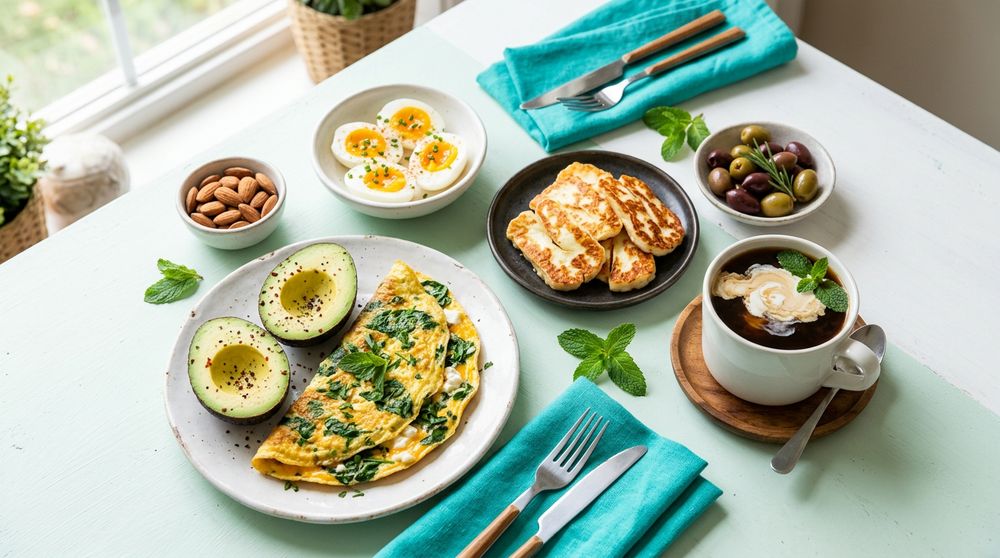
- Thursday: spinach and cheese omelette with olives.
- Friday: your favourite recipe of the week, with sugar-free coffee and cream.
Try the plan for a week while tracking your fullness, energy and sleep, then adjust it to your needs. For a detailed schedule with quantities and calories that suits your goal, the Prof Health team will guide you with clear steps and ongoing follow-up.
Common keto breakfast mistakes
- Overdoing nuts: they seem healthy but are calorie-dense, and one handful is enough.
- Forgetting protein: lots of fat with little protein means less fullness and earlier hunger.
- Relying on packaged products: so-called keto breads and biscuits can be high in calories and processed ingredients, so real food is better.
- Ignoring fibre and water: this can cause constipation, headaches and tiredness in the first weeks.
- Being too strict: consistency matters more than perfection, and many people quit keto because it is hard to sustain.
Who should be careful before starting?
Keto is not suitable for everyone. Talk to your doctor or dietitian before starting if you have diabetes and take glucose-lowering medication or insulin, if you have kidney, liver or pancreatic conditions or high cholesterol, if you are pregnant or breastfeeding, or if you have a history of eating disorders. Some people need their medication adjusted when they cut carbohydrates, so never change a dose on your own.
Frequently asked questions
Can I burn fat on keto if I skip breakfast?
It differs from person to person. Some people feel fine with a fasted morning, while others get hungry and overeat later. What matters most is total calories and consistency, and no specific outcome is promised.
Is coffee allowed on keto?
Yes, black coffee or coffee with a little cream suits most people, but avoid sugar and flavoured syrups. Cut back on caffeine if it causes palpitations or poor sleep.
How many carbs should breakfast have?
Usually 3 to 8 grams of net carbs is enough if your daily limit is around 20 to 50 grams, but the exact number should be set by a professional based on your condition.
Is a keto breakfast suitable for children?
Keto is not recommended for children except under direct medical supervision, because their nutritional needs for growth are different.
Ready for a plan that fits your body and taste?
Choose the Prof Health service that suits you, and ask before you subscribe if you wish.
Health note: This content is educational and does not replace advice from your doctor. Do not stop any medication or change its dose without consulting your doctor, and results differ from person to person.