Pre-Workout Supplements and Caffeine: How Much Is Safe? A Practical Guide to Choosing a Product and Timing Your Dose
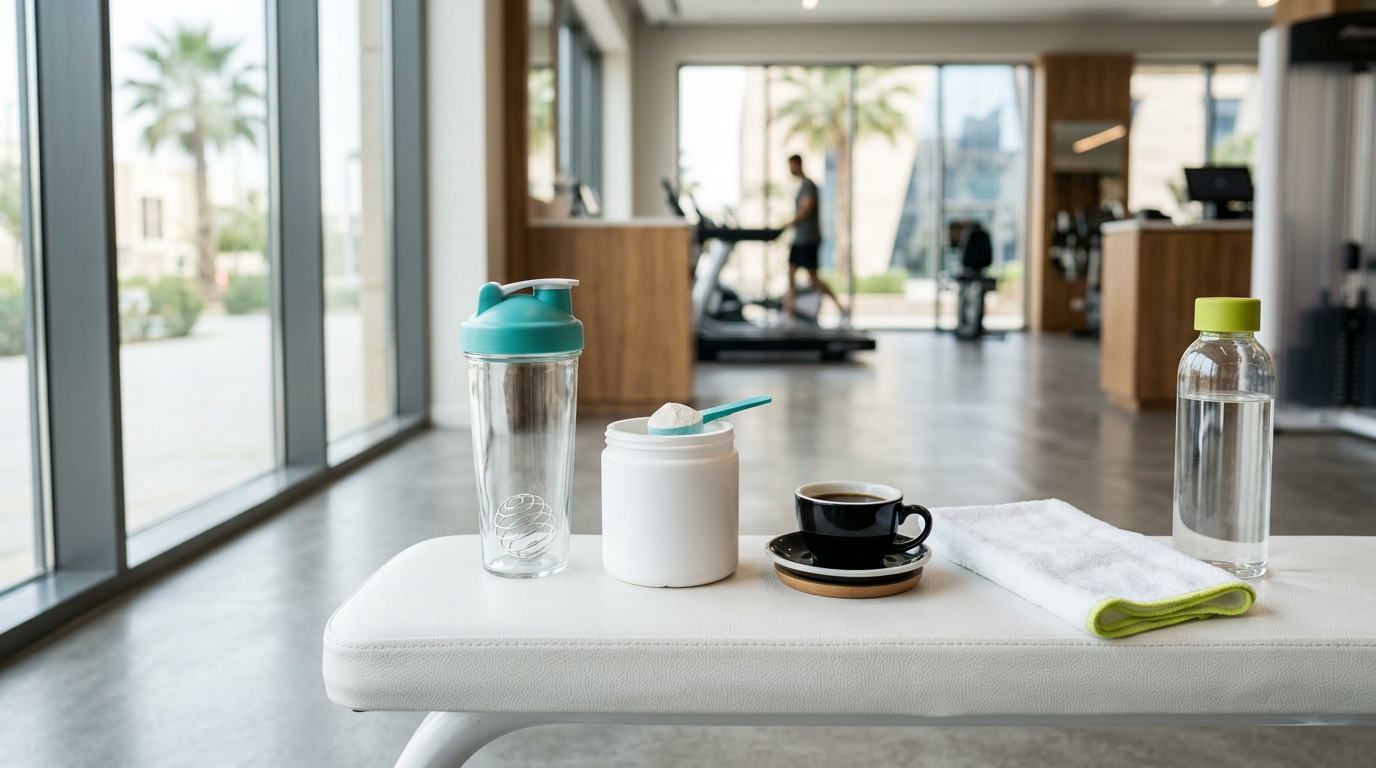
Have you ever taken a pre-workout supplement and then felt a racing heart, shaky hands or a sleepless night? You are not alone. These products are everywhere in gyms, and their promises are big: more energy, sharper focus, a harder session. But the main active ingredient in most of them is caffeine, and the gap between a sensible dose and too much can be a single extra scoop, or a cup of coffee you forgot to count. In this article we explain what these supplements contain, what the European Food Safety Authority says about safe caffeine limits, how to estimate your own limit by body weight, when to take a dose, who should avoid it, and a practical one-week plan.
For most healthy adults, single doses of caffeine up to 200 mg and total daily intake up to 400 mg from all sources do not raise safety concerns. For pregnant women the figure is 200 mg per day. Count caffeine from coffee, tea, energy drinks and the supplement together, and avoid late doses that steal your sleep.
What is inside a pre-workout supplement?
There is no single recipe, because every brand mixes its own blend. Still, most tubs contain some of the following:
- Caffeine: the main stimulant, and usually the reason for that quick feeling of alertness.
- Citrulline or arginine: amino acids marketed for blood flow and the muscle pump.
- Beta-alanine: may cause a harmless tingling on the skin in some people, which usually fades within minutes.
- Creatine: added by some manufacturers; we covered the evidence in our article on creatine, omega-3 and magnesium.
- B vitamins, flavourings and sweeteners: they give the product its taste and its energy image.
The real risk starts when amounts are hidden inside a so-called proprietary blend. You may know that the tub holds 12 grams of a mix, but not how much of it is caffeine. The less clear the label, the more careful you need to be.
Caffeine: what does the European Food Safety Authority say?
The authority is one of the most important scientific references on this topic, and for healthy adults it concluded the following:
- Single doses of caffeine up to 200 mg (about 3 mg per kilogram of body weight) from all sources do not raise safety concerns.
- The same amount does not raise concerns when taken less than two hours before intense exercise under normal environmental conditions.
- Intakes up to 400 mg per day (about 5.7 mg per kilogram) spread through the day do not raise concerns for the general healthy adult population, except pregnant women.
- Single doses of about 100 mg may affect sleep duration and patterns in some adults, particularly close to bedtime.
- For pregnant and breastfeeding women the level of no concern is 200 mg per day from all sources, and for children and adolescents a cautious level of 3 mg per kilogram per day was proposed.
Notice that these numbers cover all caffeine sources combined, not the supplement alone. If you drink two coffees in the morning and then take a scoop with 200 mg, you may pass your daily limit before lunch.
How much suits your body weight?
The single-dose figure (3 mg per kilogram) depends on body weight. This table helps you estimate the point you should not exceed in one sitting:
| Your weight | Approx. single dose (3 mg/kg) | Daily limit for a healthy adult |
|---|---|---|
| 50 kg | 150 mg | Up to 400 mg |
| 60 kg | 180 mg | Up to 400 mg |
| 70 kg or more | 200 mg (reference limit) | Up to 400 mg |
These are general guide figures for healthy adults, not a personal prescription. Some people feel anxious or notice palpitations at far lower doses, and that individual sensitivity deserves respect. If you are new to caffeine, start with half of the serving printed on the tub and watch how your body responds.
Hidden caffeine: do not count the supplement alone
The most common mistake is treating the supplement as the only source. In reality caffeine reaches you from many places during the day:
- Coffee: the largest source for most adults, with a wide range depending on the beans, the brewing method and the cup size.
- Tea, mate and cola: less per cup, but it adds up with repeated servings.
- Energy drinks: the authority's own calculations assumed about 320 mg per litre for a popular brand, which is roughly 160 mg in a 500 ml can.
- Dark chocolate and some fat-burner products: they can add amounts you do not notice.
A practical example: a strong coffee in the morning, an energy drink after lunch and a pre-workout in the evening can easily add up to more than you need. Write down everything you consume for three days and add it up. The result often surprises people.
Timing: when to take it and how to protect your sleep
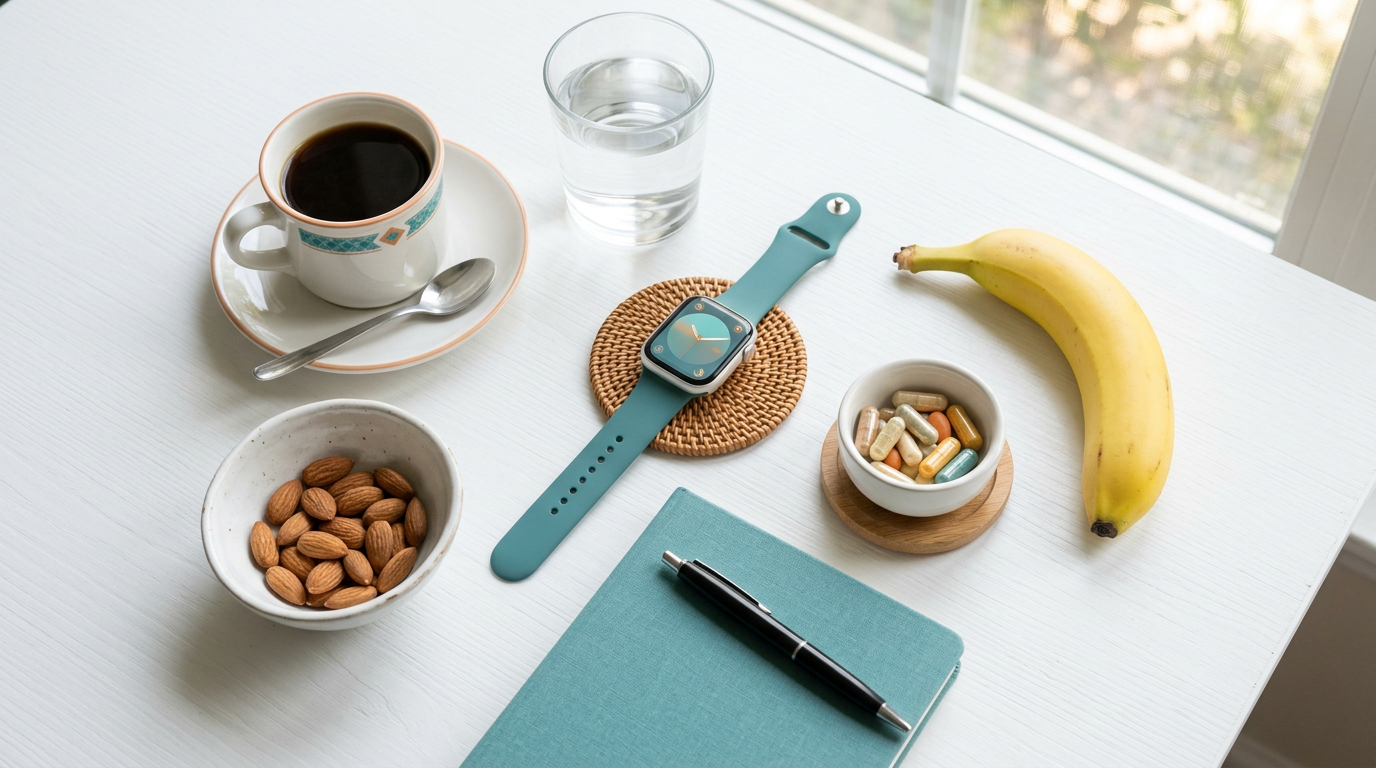
Caffeine stays in the body for many hours. Its average half-life is roughly five to six hours in most people, and it varies with genetics, smoking and some medicines. That means a dose taken after mid-afternoon can still be half active when you go to bed. So:
- If you use it, take it about 30 to 60 minutes before training, not a few hours before sleep.
- If you train in the evening or at night, choose a caffeine-free product, or simply have a light snack and water.
- If you struggle to fall asleep, make your last caffeine source come before mid-afternoon and compare how you feel after a week.
- Do not make up for lost sleep with a bigger dose; good sleep is the strongest performance and recovery supplement there is.
Who should avoid these supplements or speak to a doctor first?
- Pregnant and breastfeeding women: the level of no concern is 200 mg per day from all sources, and speaking to your doctor first is wise.
- Anyone under 18: adult products are not designed for them, and the cautious level for children and adolescents is 3 mg per kilogram per day.
- People with high blood pressure, heart rhythm problems or heart disease.
- People with anxiety, panic attacks or chronic insomnia.
- People who take regular medication, since some medicines slow caffeine clearance and strengthen its effect.
If you notice a pounding heart, chest pain, dizziness or shortness of breath, stop the product immediately and see a doctor.
6 checks before you buy any pre-workout
- Milligrams of caffeine per serving: if it is not clearly written, leave the product on the shelf.
- Avoid vague proprietary blends: choose a label that lists every ingredient with its amount.
- Serving size: some products suggest two scoops, which doubles the amount without you noticing.
- Registration with the regulator in the Kingdom: see the verification steps in our article on protein powder safety.
- Independent third-party testing: it raises confidence that what is in the tub matches the label.
- Fit for your situation: your age, weight, health and medicines.
Simple alternatives that lift your energy before training
Before you spend money on a new tub, try options that need no supplement: a light snack with easily digested carbohydrates such as a banana or dates an hour before training, enough water, a proper warm-up, and an ordinary coffee in a sensible size that keeps you within your limit. Often the difference in performance has more to do with sleep, nutrition and consistency than with the powder.
A one-week plan for safe experimenting
| Day | Step |
|---|---|
| 1 | Log every caffeine source you consume all day |
| 2-3 | Add it up and compare it with your daily limit and body weight |
| 4 | Train with a light snack and water, no supplement, and rate your performance |
| 5 | If you use the supplement, start with half a serving 30-60 minutes before training |
| 6 | Watch sleep, heart rate and anxiety, and write notes |
| 7 | Decide: do you truly need it, or do coffee, food and sleep cover you? |
Frequently asked questions
Can I take a pre-workout every day? Most people have no need to. Use it only on the days you want it, and give your body caffeine-free days.
Does caffeine burn fat? Do not rely on that. Its effect on weight is limited; the energy deficit, nutrition and daily movement are what matter.
Can coffee replace the supplement? For many people, yes. Coffee does the job at lower cost with a known ingredient, as long as you count the total amount.
Want a nutrition and training plan that truly fits your body?
Prof Health specialists build you a personal plan around your weight, goal, sleep and schedule, and help you decide whether you need a supplement at all, with online follow-up that keeps you consistent and safe.
Book your consultation with the Professor nowIf you prefer daily follow-up across three specialties (nutrition, fitness and psychological support), explore the 30-day Prof Health challenge.
The 30-day challengeRead also: Is your protein powder safe?, Creatine, omega-3 and magnesium, and How to read a supplement and protein label.
Note: This article is for general education and does not replace advice from a doctor or dietitian. The limits quoted apply to healthy adults in general and vary from person to person.
References
- European Food Safety Authority - Caffeine - Source link
- European Food Safety Authority - EFSA explains caffeine (2015) - Source link