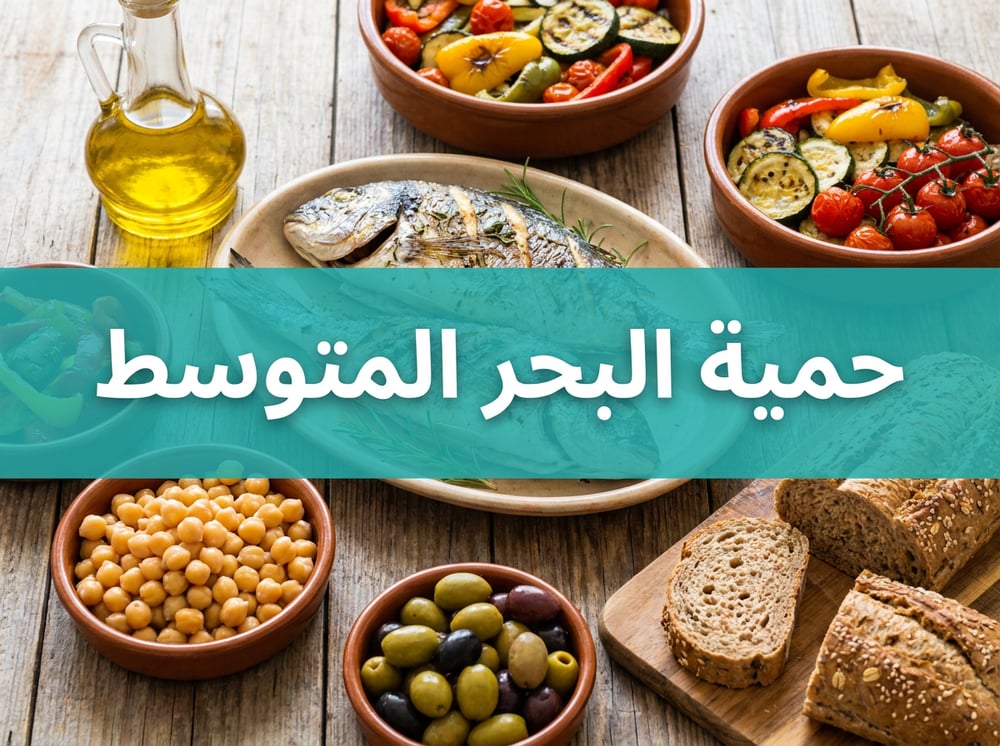
The Mediterranean Diet: Does It Help You Lose Weight? What to Eat, With a Weekly Schedule (Per Mayo and Harvard)
Short answer
The Mediterranean diet is a mainly plant-based eating pattern: vegetables, fruit, whole grains, legumes, nuts and extra virgin olive oil, with fish at least twice a week and less red meat and added sugar. Mayo Clinic describes it as more of a lifestyle than a restrictive diet, and Harvard says it may support healthy weight loss when combined with calorie restriction, because it does not specify portion sizes and can lead to excess calories. There is no fixed number for "how much weight per week"; the healthy pace is about 0.5 to 1 kg a week. It is not a treatment for any disease; if you have diabetes, fatty liver or high blood pressure, consult your doctor and dietitian.
What is the Mediterranean diet?
Mayo Clinic says it is based on the traditional food of countries around the Mediterranean such as Italy, Greece, Tunisia, Turkey and Lebanon, with meals rich in vegetables and fruit, extra virgin olive oil as the main fat, and fish, chicken and lean meats possible. It notes the World Health Organization recognizes it as a healthy eating pattern. Harvard says the Mediterranean Diet Pyramid was introduced in 1993 by Harvard, Oldways and the WHO European office, and also stresses daily activity and sharing meals with family and friends.
What do you eat on the Mediterranean diet?
| Frequency | Foods |
|---|---|
| Daily | Vegetables, fruit, whole grains, extra virgin olive oil, herbs and spices, with water as the main drink |
| A few times a week | Fish (at least twice a week per Harvard), legumes, poultry, nuts and seeds, eggs |
| In moderation | Dairy (cheese or yogurt in moderate portions) |
| Sparingly | Red meat (a few times a month per Harvard) and foods with added sugar |
The sources mention wine in some versions of this pattern, but it is optional and unnecessary, and Mayo says if you do not drink, do not start for health reasons. The diet can be followed fully without any alcohol.
Does the Mediterranean diet help you lose weight? How much per week?
The most searched forms are "how much weight does the Mediterranean diet lose" and "the Mediterranean diet for weight loss". According to Harvard:
- It concludes the diet may support healthy weight loss when combined with calorie restriction.
- It warns that portion sizes are not specified, so you may eat excess calories (especially from olive oil and nuts) and gain weight. It suggests a balanced plate guide like the Healthy Eating Plate to control proportions.
- It says the pattern provides satiety and helps long-term adherence, and in one of the most successful weight loss trials, those assigned to the Mediterranean diet maintained weight loss over six years.
- There is no fixed number for "how much per week". The healthy pace Mayo Clinic and the CDC mention is about 0.5 to 1 kg a week.
If your weight stalls despite commitment read why is your weight not dropping despite dieting? and to control proportions read a healthy diet schedule for weight loss.
Benefits of the Mediterranean diet according to medical sources
- Mayo Clinic says people who follow this pattern tend to be less likely to have high cholesterol and high blood pressure, studies suggest it may lower stress and inflammation in the body, and the heart benefit requires following it over the long term.
- Harvard reports a study of nearly 26,000 women found those who followed this pattern had 25% less risk of cardiovascular disease over 12 years, and a meta-analysis of 16 studies found a 24% lower risk of cardiovascular disease and 23% lower risk of premature death in those with the highest adherence.
- It adds that the PREDIMED trial, with thousands of people with diabetes or risk factors, found a Mediterranean diet with extra virgin olive oil or nuts reduced stroke deaths by about 30% and reduced the risk of type 2 diabetes.
These are observational and trial findings and do not mean it treats any disease.
A Mediterranean diet schedule for one week (illustrative example)
This is an illustrative example based on Mayo and Harvard principles and adapted to Saudi food, not a measure of your calories. Fish at least twice a week, legumes and olive oil daily, no red meat this week. Adjust it to your goal and condition:
| Day | Breakfast | Lunch | Dinner |
|---|---|---|---|
| Saturday | Oats with walnuts, fruit and cinnamon | Fava beans or hummus with olive oil, brown rice and salad | Grilled fish and cooked vegetables |
| Sunday | Yogurt with nuts and fruit | Lentils with vegetables and brown bread | Eggs, salad and brown bread |
| Monday | Brown bread with olive oil, tomato, cucumber and a little cheese | Herb-grilled chicken, salad and bulgur | Vegetable soup and chickpeas |
| Tuesday | Oats with fruit and nuts | Fish with grilled vegetables and brown rice | Legume salad (chickpeas or beans) with olive oil and lemon |
| Wednesday | An egg with vegetables and brown bread | Lentils and a large salad | Chicken with cooked vegetables |
| Thursday | Yogurt, fruit and a handful of almonds | Fava beans, vegetables and brown bread | Grilled fish and salad |
| Friday | Fava beans, a boiled egg and vegetables | Family meal: half vegetables, a quarter protein, a quarter whole grains | Fruit and yogurt |
You do not need a PDF file; this table replaces it, and for a plan that fits your calories consult a dietitian.
Does it suit people with diabetes, fatty liver or high blood pressure?
Harvard notes doctors may prescribe this pattern for people with chronic conditions such as heart disease and high blood pressure, and that the PREDIMED trial included people with diabetes. But the sources we opened do not address fatty liver specifically, so we do not claim a benefit for it. Each condition has its own calorie and carbohydrate needs, so consult your doctor and dietitian before changing. For diabetes and insulin resistance read the diet for insulin resistance.
How do you start the Mediterranean diet step by step?
- Start with olive oil: make it the main fat instead of butter and ghee, in measured amounts because it is high in calories.
- Add legumes and vegetables: fava beans, lentils and chickpeas as the base of lunch several times a week.
- Fish twice a week: choose grilled and fatty fish such as salmon, sardines and mackerel.
- Whole grains instead of refined: oats, brown rice, brown bread and bulgur.
- Cut red meat and added sugar, move daily and share your meals with those you love.
To organize shopping and prep read weekly meal planning, and to understand fullness from fiber and protein fiber in your diet and protein in your diet.
Mistakes that ruin the Mediterranean diet
- Overdoing olive oil and nuts: beneficial but high in calories, and Harvard warns of excess calories because portions are not specified.
- Only adding olive oil to your current food: Harvard says the benefit comes from the combination of foods, so adopt the pattern in its entirety.
- Thinking "healthy" means no calories: weight does not drop if your calories exceed your needs.
- Relying on just two foods: this is the opposite of the diet's variety (compare the dates and laban diet or the boiled egg diet).
To compare diets read the best healthy diet and diet food or a healthy meal subscription?
Note: this content is health education and does not replace the advice of a doctor or dietitian. Pregnant and breastfeeding women and those with chronic conditions need a plan supervised by a professional. Mayo advises choosing fish low in mercury, especially for pregnant and breastfeeding women. The weekly schedule is illustrative, not a treatment prescription.
Frequently asked questions about the Mediterranean diet
What is the Mediterranean diet?
A mainly plant-based eating pattern relying on vegetables, fruit, whole grains, legumes, nuts and olive oil, with fish at least twice a week and less red meat and sugar.
Does the Mediterranean diet help you lose weight?
It may support healthy weight loss when combined with calorie restriction per Harvard, but it does not specify portions and may lead to excess calories.
How much does the Mediterranean diet lose per week?
There is no fixed number; the healthy pace is about 0.5 to 1 kg a week per Mayo Clinic and the CDC.
What is a Mediterranean diet schedule?
See the illustrative schedule above: fish twice a week, legumes, vegetables and olive oil daily, whole grains, no red meat. Adjust it to your calories.
Is the Mediterranean diet suitable for people with diabetes?
The PREDIMED trial included people with diabetes and reduced the risk of type 2 diabetes, but your individual needs are set by your doctor and dietitian.
Is it suitable for fatty liver?
We did not find in our opened sources anything proving it specifically, so we do not claim it. Consult your doctor.
Must I drink wine on it?
No. It is optional in some versions, and Mayo says if you do not drink, do not start for health reasons.
How do I start?
Start with olive oil, legumes, vegetables and fish twice a week, and track your calories. Or request a schedule from a dietitian.
Want a schedule that fits your calories and condition?
A dietitian designs a plan on your food and goal, follows up and adjusts it with you, and you can ask them about integrating the basics of this pattern. Since 2019, more than 500,000 clients.
Personalized diet programConsultation with a dietitianDiet schedule packageReferences
- Mayo Clinic Staff. Mediterranean diet for heart health (2026). mayoclinic.org
- Harvard T.H. Chan School of Public Health. Diet Review: Mediterranean Diet. nutritionsource.hsph.harvard.edu
- Harvard T.H. Chan School of Public Health. Healthy Eating Plate. nutritionsource.hsph.harvard.edu
- Mayo Clinic Staff. Weight loss: 6 strategies for success (2024). mayoclinic.org
- Centers for Disease Control and Prevention. Steps for Losing Weight (2025). cdc.gov
Last reviewed: October 2026.