A Healthy, Filling Suhoor for Your Diet in Ramadan: Meals That Keep You Full for Hours
Many women skip suhoor or grab anything quick, then feel hungry and tired before noon. A better approach is to build suhoor as a small balanced meal that supports your diet goal without turning into a heavy meal. This guide explains what to put on your plate, quick ideas, how to stay hydrated and when to get professional help.
Want to enter Ramadan with a ready plan? See the Sha'ban & Ramadan Wellness Package (60 days from Sha'ban to Ramadan), or the Eid Package (3 months of daily follow-up from Rajab to Ramadan).
What does a balanced suhoor contain?
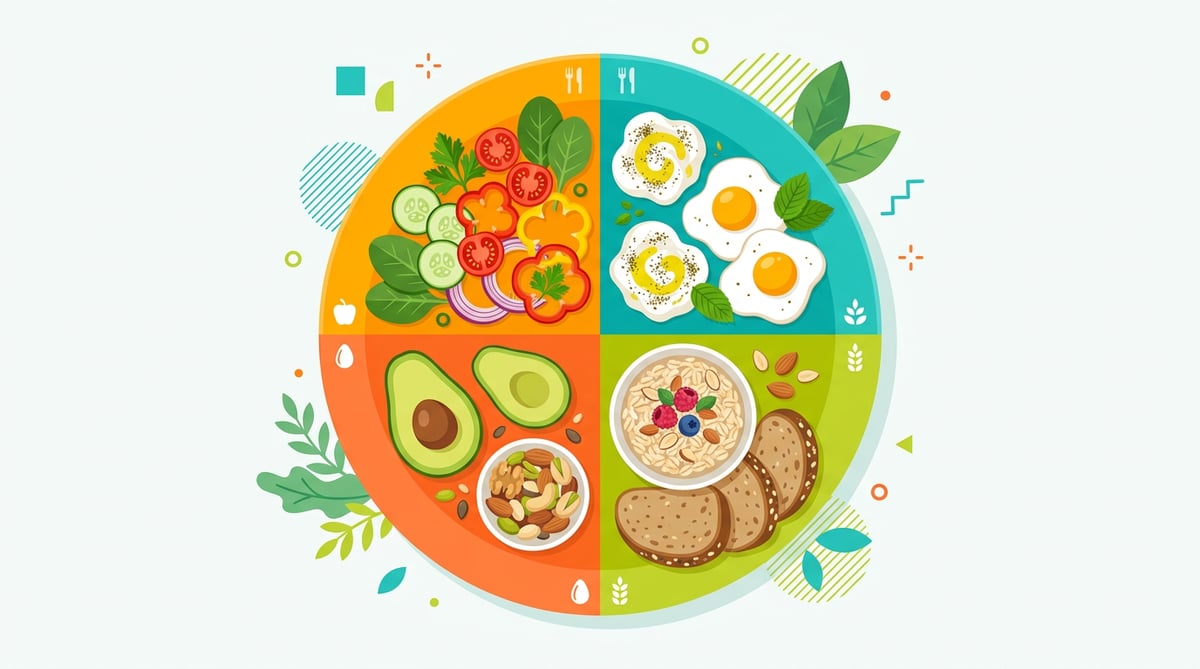
The WHO Eastern Mediterranean office and specialist hospitals agree that suhoor is a light meal combining several components:
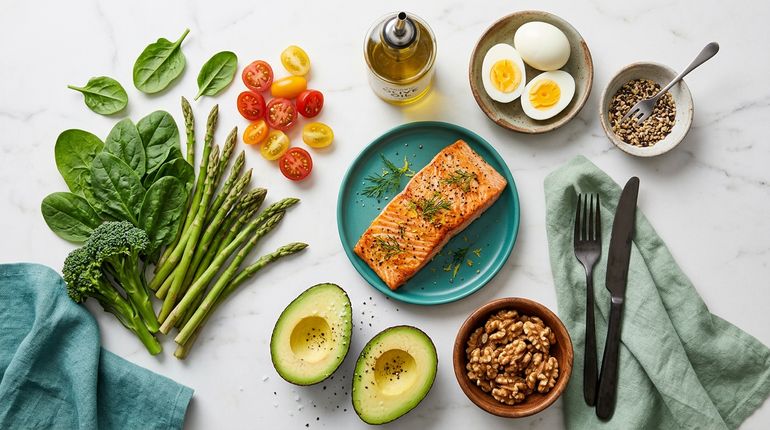
- Complex carbohydrates: oats, whole grain bread or brown rice, digested slowly so you stay full longer.
- Good protein: eggs, labneh, Greek yogurt, low-salt cheese or legumes, which support fullness and muscle mass.
- Healthy fats: avocado, nuts, seeds, olive oil or a small amount of tahini.
- Water-rich vegetables and fruit: cucumber, tomato, watermelon and orange add fiber and hydration.
What are the 8 best quick ideas for a healthy, filling suhoor?
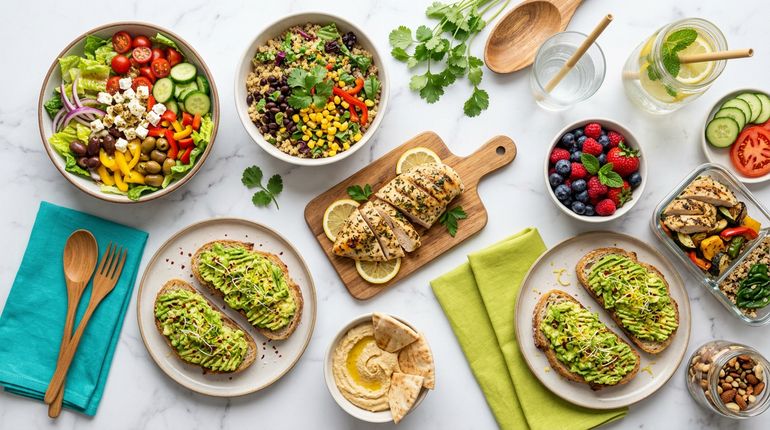
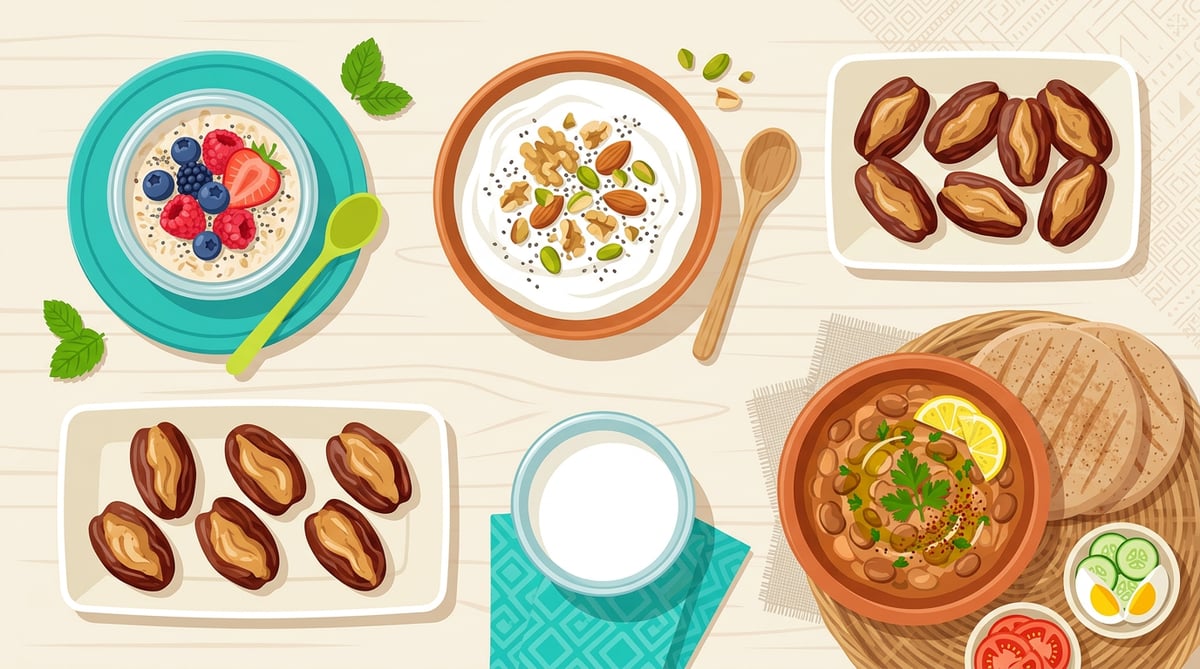
- Boiled eggs with whole grain bread and avocado or labneh, plus cucumber and tomato slices.
- Greek yogurt with oats and nuts and a few berries.
- Overnight oats made with milk or yogurt and chia seeds.
- Dates stuffed with almond butter and a glass of milk: a small meal if you have no appetite before dawn.
- Hummus with whole wheat pita and cucumber slices.
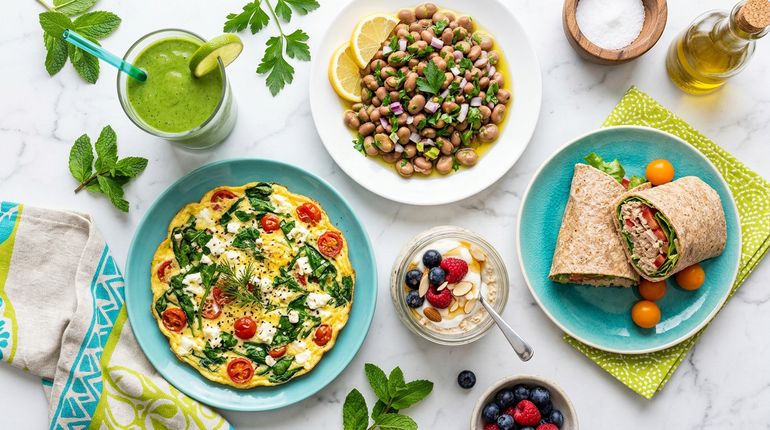
- Ful medames with whole grain bread, a slow-digesting plant protein.
- A light lentil soup with a salad.
- Labneh with vegetables and olive oil on whole grain bread.
Prepare what you can the night before so you choose consciously instead of rushing. For a full weekly plan, read A healthy diet schedule for weight loss, step by step. And if you want these ideas arranged in ready-made plans that match your taste, that is exactly what the Sha'ban & Ramadan Wellness Package offers: 3 meal plans based on your preferences plus a Ramadan recipe booklet.
How much water do I need between iftar and suhoor?
Health authorities advise drinking water steadily between iftar and suhoor rather than a large amount at once. The WHO mentions at least 10 glasses, while Johns Hopkins Aramco Healthcare mentions 8 to 10 cups; your need varies with weather and activity. Adding water-rich foods such as watermelon, cucumber and orange to your suhoor also helps. If you need an amount that suits your condition, discuss it with a dietitian in an online nutrition consultation.

What should I avoid at suhoor?
- Salty and fried foods, which increase thirst and make you feel heavy.
- Sweets and large amounts of white bread, which bring hunger back quickly.
- Too much coffee or tea, because caffeine increases urination; if you have it, keep it to one small cup with plenty of water.
- A very large meal: over-indulging at iftar or suhoor can lead to weight gain, according to the WHO.
For a broader view of balancing your meals all day, read the healthy Ramadan diet guide and the best healthy diet plan. And if you want closer follow-up day by day from Rajab to Ramadan, the Eid Package offers daily nutrition, psychological and fitness support.
Frequently asked questions
Should I have suhoor if I am not hungry?
Suhoor is recommended, and you can have a small meal such as stuffed dates with a glass of milk, or yogurt with nuts.
Is this suhoor suitable for someone on a diet?
Yes, because it relies on fullness and balance rather than large portions. Portions are adjusted to your goal and condition; for more detail see the diet meal schedule, or start with a plan from the personalized diet plan.
What suhoor suits people with diabetes?
The idea is the same: whole grains, protein and vegetables, but managing blood sugar while fasting needs guidance from your doctor or a nutrition specialist, so do not change medication on your own.
What about women with PCOS?
Balance between protein, fiber and healthy fats matters here too, and you will find a wider explanation in PCOS and nutrition.
When should I ask for help?
Check with your doctor if you have diabetes, acid reflux or irritable bowel, are pregnant or breastfeeding, take medication tied to meal timing, or feel persistent dizziness.
Get ready for Ramadan with a plan that fits you:
- Sha'ban & Ramadan Wellness Package: 60 days, 3 meal plans based on your preferences, 4 workout schedules, a Ramadan recipe booklet.
- Eid Package: 3 months of daily follow-up (Rajab, Sha'ban and Ramadan) with nutrition, psychological and fitness support.
Start your personalized diet plan | Book your nutrition consultation now
Educational note: this content is for nutrition awareness and does not replace advice from your doctor or dietitian, especially for people with chronic conditions, pregnant and breastfeeding women.
Last updated: November 11, 2026
References
- WHO EMRO — Nutrition (Healthy eating in Ramadan) — World Health Organization, Eastern Mediterranean Regional Office — https://www.emro.who.int/nutrition/healthy-eating/
- What to Eat at Suhoor: Easy, Healthy Meals for Ramadan — Johns Hopkins Aramco Healthcare — https://www.jhah.com/en/health-wellbeing/ramadan-health-guide/nutrition-hydration-healthy-eating/healthy-suhoor-ideas-to-keep-you-full-all-day/
- Ramadan Nutrition and Hydration Guide: How to Nourish Your Body While Fasting — Johns Hopkins Aramco Healthcare — https://www.jhah.com/en/health-wellbeing/ramadan-health-guide/nutrition-hydration-healthy-eating/ramadan-nutrition-and-hydration-guide/
- Ramadan Best Foods for Suhoor to Stay Energised All Day — Aster Hospitals — https://www.asterhospitals.ae/health-library/newsdetail/best-foods-for-suhoor