
A Pre-Ramadan Diet: How to Prepare Your Body for Fasting in 4 Weeks (Food, Sleep, Caffeine and Water)
Many women walk into Ramadan overnight: lots of coffee until the last evening, late nights, irregular meals, then a headache and low energy on days one and two. It is better to start now with simple changes that keep your energy steady and soften the shock. This guide gives a clear weekly plan, shows how to reduce caffeine and reset your sleep, what to eat before Ramadan, and the common mistakes to avoid.
Want to enter Ramadan with a ready plan? See the Sha'ban & Ramadan Wellness Package (60 days with 3 meal plans to your taste, 4 workout plans and a Ramadan recipe booklet), or the Eid Package (daily follow-up for 3 months, from Rajab to Ramadan).
Why prepare your body before Ramadan?
Fasting changes eating, sleeping and drinking times all at once. Johns Hopkins Aramco Healthcare notes that a first-day headache can affect up to 55% of regular caffeine drinkers, that symptoms peak on days one and two, and that they usually improve after day three. Aster Hospitals explains that a body not used to these changes may experience headaches, acidity, low energy or constipation. The Saudi Ministry of Health's educational page also states that starting to adjust your routine before Ramadan helps prepare the body for fasting.

What does the 4-week plan before Ramadan look like?
Johns Hopkins Aramco Healthcare recommends starting 2 to 4 weeks ahead, and even the last week makes a difference. Here is a simple table that turns the guidance into weekly steps:
| Week | Focus | Practical step |
|---|---|---|
| 4 weeks before Ramadan | Caffeine and walking | Cut your total caffeine by about a quarter to a third and begin a light daily walk. |
| 3 weeks before | Water and sweets | Spread water through the day and gradually reduce salty foods, sweets and fried food. |
| 2 weeks before | Sleep and caffeine | Fix your sleep and wake time, cut caffeine again and drop late-day caffeine first. |
| Final week | Meals and planning | Move closer to two main meals plus a light snack, swap caffeine for herbal drinks and prepare your iftar and suhoor list. |
If you prefer to have this plan built around your taste and daily routine, that is what the Sha'ban & Ramadan Wellness Package offers across 60 days of meal and workout plans, or the Eid Package if you want daily follow-up for 3 months from Rajab to Ramadan, with nutrition, workout and psychological support from a counselor.
How do I cut caffeine before Ramadan without a headache?
Johns Hopkins Aramco Healthcare describes a gradual plan: work out your daily caffeine, then reduce it by roughly 25 to 30% each week, dropping late-day caffeine first and keeping the morning cup. Replace what you cut with decaf or herbal drinks such as mint, chamomile or ginger. In the final week you can reach a minimum. If you start late (less than a week), it advises cutting by half right away and drinking plenty of water between iftar and suhoor.
- Start with the end of the day: afternoon and evening cups go first.
- Blend: half regular and half decaf.
- Remember soft drinks: they contain caffeine and sugar and can increase thirst.
- If you drink coffee in Ramadan: have it one to two hours after iftar, not on an empty stomach.
How do I reset my sleep before Ramadan?
Taraweeh and suhoor change the usual sleep pattern, so Aster Hospitals advises sleeping and waking at the same time every day so your body adapts, with a short nap if needed and without constantly changing sleep hours. Start moving your bedtime earlier gradually, weeks ahead, and reduce screens late at night. If stress is affecting your sleep, read Social jet lag and how to reset your sleep and mood.

What should I eat before Ramadan?
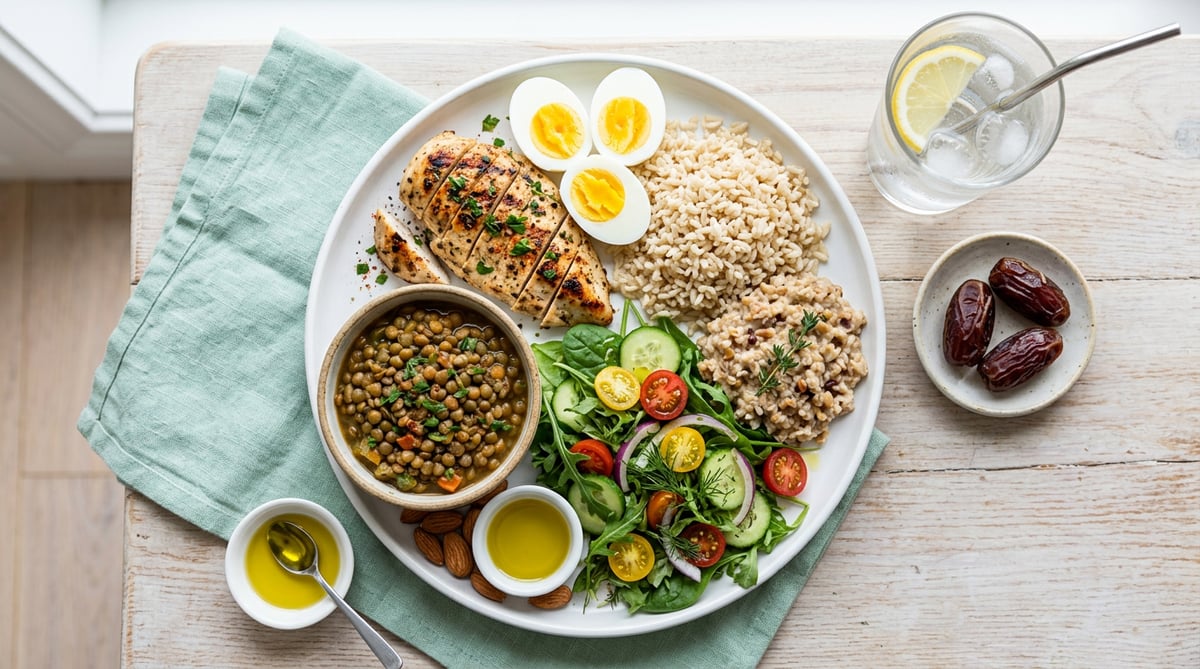
Aster Hospitals says the goal is to eat better, not less. So you do not need deprivation before Ramadan, just a balanced plate that steadies your energy:
- Slow-digesting carbohydrates: oats, barley, whole wheat and brown rice.
- Protein with every meal: eggs, lentils, yogurt, chicken and fish.
- Fiber: vegetables, fruit, legumes and seeds, and for more see how to reach 25 grams of fiber a day.
- Gradually less sugar, fried food and white flour: they lift energy fast and then drop it.
As the month gets closer, move from this base to the details: a healthy, filling suhoor for your diet and healthy iftar ideas in Ramadan, and to organize your whole week use the 4-phase Ramadan diet schedule. For the big picture of the month, see the healthy Ramadan diet guide.
How do I get used to water and movement?
Drink water regularly through the day instead of a large amount at once, and add water-rich foods such as cucumber, oranges and soup. Johns Hopkins Aramco Healthcare notes that pale yellow urine is a sign of good hydration and suggests 8 to 10 glasses between iftar and suhoor, spread across the evening. For movement, light to moderate exercise such as walking, stretching and gentle strength training is enough according to Aster, ideally after iftar when fluids are available.
What are the common mistakes before Ramadan?
- A sudden harsh diet: gradual changes work better than deprivation.
- Stopping caffeine all at once, which brings headaches on days one and two.
- Neglecting sleep: late nights add daytime fatigue.
- Low water intake before the month and after iftar.
- Intense workouts without enough hydration.
- Postponing a doctor's visit if you have a chronic condition or take medication.
Frequently asked questions
When should I start a pre-Ramadan diet?
Ideally 2 to 4 weeks before. If time is short, start today with caffeine, sleep and water.
Is the goal of a pre-Ramadan diet to lose weight?
The main goal is preparing the body, steady energy and fullness. Any change in weight differs from person to person, and no specific result can be promised.
Do I have to quit coffee completely?
No, reducing it gradually and moving it to after iftar is enough.
Does this approach suit me if I am already on a diet?
Yes, because it is built on balance rather than deprivation, and portions can be adjusted to your goal through the personalized diet system.
When do I need a specialist?
See your doctor before Ramadan if you have diabetes, blood pressure problems, digestive conditions or any chronic illness, or if you are pregnant or breastfeeding, and do not change medication timing yourself. For nutrition guidance that fits your case, book the online nutrition consultation.
Prepare your body for Ramadan with a plan that fits you:
- Sha'ban & Ramadan Wellness Package: 60 days, 3 meal plans to your taste, 4 workout plans and a Ramadan recipe booklet.
- Eid Package: daily follow-up for 3 months, from Rajab to Ramadan.
Start your personalized diet system | Book your nutrition consultation now
Educational note: this content is for nutrition awareness and does not replace advice from your doctor or dietitian, especially for people with chronic conditions and for pregnant or breastfeeding women.
Last updated: November 17, 2026
References
- Reducing Caffeine and Soft Drinks During Ramadan — Johns Hopkins Aramco Healthcare — https://www.jhah.com/en/health-wellbeing/ramadan-health-guide/preparing-for-eid-life-after-ramadan/caffeine-withdrawal-during-ramadan/
- Pre-Ramadan Diet Plan for Healthy Fasting — Aster Hospitals — https://www.asterhospitals.ae/health-library/newsdetail/what-to-eat-before-ramadan
- Ramadan Fasting Preparation Guide for Better Health — Aster Hospitals — https://www.asterhospitals.ae/health-library/newsdetail/preparing-body-for-ramadan-fasting
- Preparing Body For Fasting Before Ramadan — Saudi Ministry of Health, educational content — https://www.moh.gov.sa/en/awarenessplateform/seasonalandfestivalhealth/educational-content/pages/preparing-body-fasting-ramadan.aspx