Keto Egg Recipes: 5 Quick, Protein-Rich Dishes That Support Fat Burning
Short answer: Eggs are one of the simplest and most affordable protein sources on a keto plan. They are nearly carb-free and keep you full for hours. Keto egg recipes make it easier to stay low-carb, but real fat loss still depends on your overall calorie deficit, sleep and activity, not on eggs alone.
Why are eggs such a smart choice on keto?
One large egg provides around 6 grams of protein and less than 1 gram of carbohydrate, along with vitamin B12, choline, vitamin D and selenium. On keto, where daily net carbs usually sit between 20 and 50 grams, eggs become a flexible base for breakfast, lunch, dinner and snacks.
Eggs are also fast. Most of the recipes below are ready in 10 to 25 minutes with basic kitchen tools, which reduces reliance on ready-made meals that hide sugar and starch. A protein-rich meal also helps reduce hunger between meals, making it easier to keep portions sensible.

Five keto egg recipes with clear measurements
The nutrition values below are approximate per serving and may vary slightly with brands and egg size.
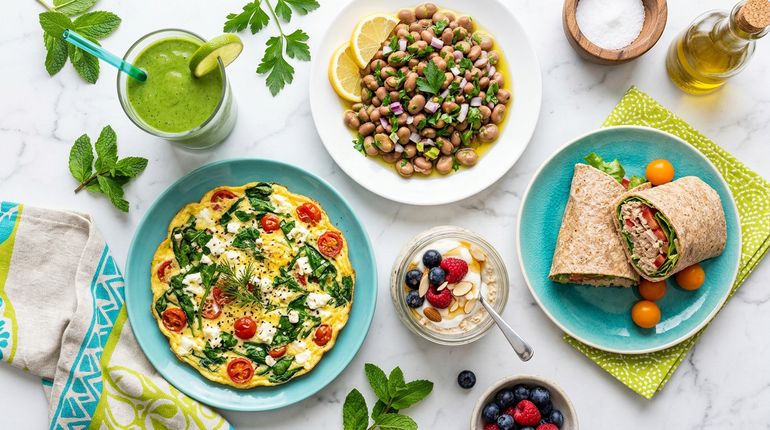
1. Spinach and feta omelet
Ingredients: 3 eggs (150 g), 60 g fresh spinach, 30 g crumbled feta, 10 g olive oil, a pinch of salt and black pepper.
Method: Heat the oil over medium heat and wilt the spinach for one minute. Whisk the eggs with salt and pepper and pour them over the spinach. After 3 minutes, scatter the feta over half the omelet and fold it. Cook one more minute and serve hot.
Approximate nutrition: about 3 g net carbs and 380 calories.
2. Light keto shakshuka
Ingredients: 3 eggs, 100 g chopped tomatoes, 40 g green pepper, 20 g onion, 10 g olive oil, plus garlic, cumin and paprika to taste.
Method: Sauté the onion and pepper in the oil for 3 minutes. Add the tomatoes and spices and simmer for 6 minutes until the sauce thickens. Make three small wells, crack the eggs into them and cover the pan for 5 minutes until the whites are set.
Approximate nutrition: about 6 g net carbs and 320 calories.
3. Avocado baked eggs
Ingredients: half a large avocado (about 100 g), 2 eggs, 20 g grated cheddar, salt, pepper and a little thyme.
Method: Remove the pit and widen the hollow slightly, then crack an egg into it. Sprinkle with cheese and seasoning and bake at 200°C for 15 to 18 minutes, depending on how firm you like the yolk.
Approximate nutrition: about 2 g net carbs and 380 calories, rich in healthy fats and fiber.
4. Zucchini egg muffins
Ingredients (6 muffins, 3 servings): 6 eggs (300 g), 150 g grated zucchini squeezed dry, 60 g cheddar, 15 g olive oil, chopped parsley, salt and pepper.
Method: Whisk the eggs with the oil and seasoning, then fold in the zucchini, cheese and parsley. Divide into a greased muffin tin and bake at 180°C for 20 minutes. The muffins keep in the fridge for up to 3 days, which makes them ideal for meal prep.
Approximate nutrition per serving (2 muffins): about 2 g net carbs and 270 calories.
5. Tuna egg boats
Ingredients: 3 hard-boiled eggs, 80 g drained canned tuna, 20 g mayonnaise with no added sugar, 1 teaspoon mustard, 60 g sliced cucumber, juice of half a lemon.
Method: Halve the boiled eggs lengthwise and remove the yolks. Mash the yolks with the tuna, mayonnaise, mustard and lemon, then spoon the mixture back into the whites. Serve with cucumber slices.
Approximate nutrition: about 2 g net carbs and 440 calories, a great cold option for work or travel.
Quick nutrition summary
- Spinach and feta omelet: 3 g net carbs, 380 calories.
- Light shakshuka: 6 g net carbs, 320 calories.
- Avocado baked eggs: 2 g net carbs, 380 calories.
- Zucchini egg muffins (2 pieces): 2 g net carbs, 270 calories.
- Tuna egg boats: 2 g net carbs, 440 calories.

How to fit them into your week
- Workdays: Prepare the zucchini egg muffins on Sunday so breakfast is ready in two minutes.
- Quick lunch: Tuna egg boats with a leafy salad need no cooking at all.
- Light dinner: Shakshuka with a spoonful of full-fat Greek yogurt makes a warm, filling meal.
- Weekend: Try avocado baked eggs as a family breakfast and vary the toppings.
Do not eat eggs at every meal on autopilot. Rotate protein between fish, poultry, meat and legumes that suit your plan, and add leafy vegetables daily to cover fiber and minerals.
Shopping list for trying all five recipes once
- 17 fresh eggs (reduce the number to suit your plan).
- 60 g spinach, 150 g zucchini, 100 g tomatoes, and 100 g cucumber or green pepper.
- Half a large avocado and one small can of tuna (80 g drained).
- 30 g feta and about 80 g cheddar.
- Olive oil, mayonnaise with no added sugar, mustard, lemon and spices such as cumin, paprika, thyme and garlic.
Tips for cooking and storing eggs safely
- Buy fresh eggs from a trusted source, and check the expiry date and the shells for cracks.
- Cook eggs until the whites are fully set, especially if you are pregnant or cooking for children or older adults, and avoid raw or undercooked eggs.
- Do not leave cooked eggs out of the fridge for more than two hours, or one hour in hot weather.
- For perfect boiled eggs, simmer gently for 9 to 10 minutes, then move them to cold water so they peel easily.
- Use a non-stick pan and measure oil with a spoon rather than by eye to keep calories under control.
- Store eggs on a fridge shelf rather than the door, where the temperature fluctuates.
Common mistakes that slow fat burning
- Too much added fat: One extra tablespoon of oil is around 120 calories and can erase the deficit you need.
- Too much cheese: It is tasty but calorie-dense, so stick to the amounts in each recipe.
- Skipping vegetables: Without them fiber drops and you may feel constipated or sluggish.
- Not enough fluids and salt: In the first weeks the body loses water and minerals, so drink water regularly.
- Relying on the scale alone: Track waist measurements, energy and sleep too, because weight fluctuates daily.
When to be careful or speak to a specialist
Keto is not right for everyone. Talk to your doctor or dietitian before starting if you are pregnant or breastfeeding, or if you have diabetes, kidney or liver disease or high cholesterol, or if you take blood pressure or blood sugar medication. Special cases may need adjusted egg intake, different fat sources or an entirely different plan.
Frequently asked questions
How many eggs can I eat per day? It depends on your health and blood lipid levels. Many healthy people eat 1 to 3 eggs a day as part of a varied diet, but it is best to check with a specialist if your cholesterol is high.
Do eggs burn fat on their own? No single food burns fat by itself. Eggs help with fullness and appetite control, while results depend on calorie deficit, physical activity and sleep.
Can I eat these recipes without strict keto? Yes. They are balanced low-carb meals that suit many healthy eating styles, and you can add a small portion of complex carbs if needed.
Want a keto plan designed for you?
Recipes are a great start, but the best results come from a plan that reflects your weight, lab results, lifestyle and goals. The Prof Health specialists in Riyadh offer an online nutrition consultation by video and a personalized diet plan with clear steps and ongoing follow-up.
Book your online nutrition consultation with Prof Health or order your personalized diet plan today.
This article is for general information and does not replace advice from a doctor or dietitian.