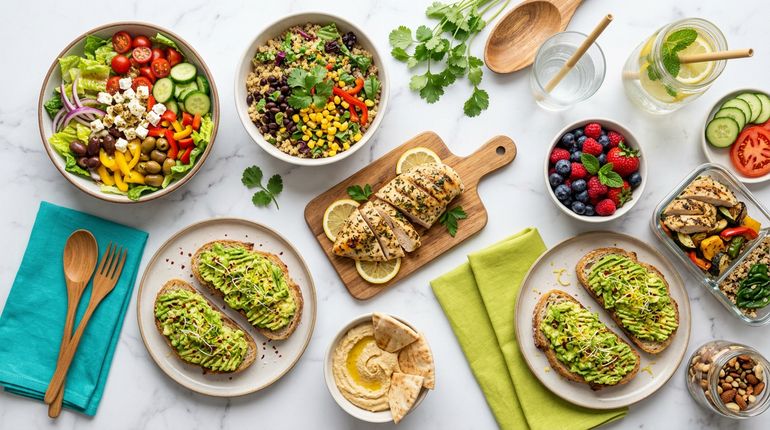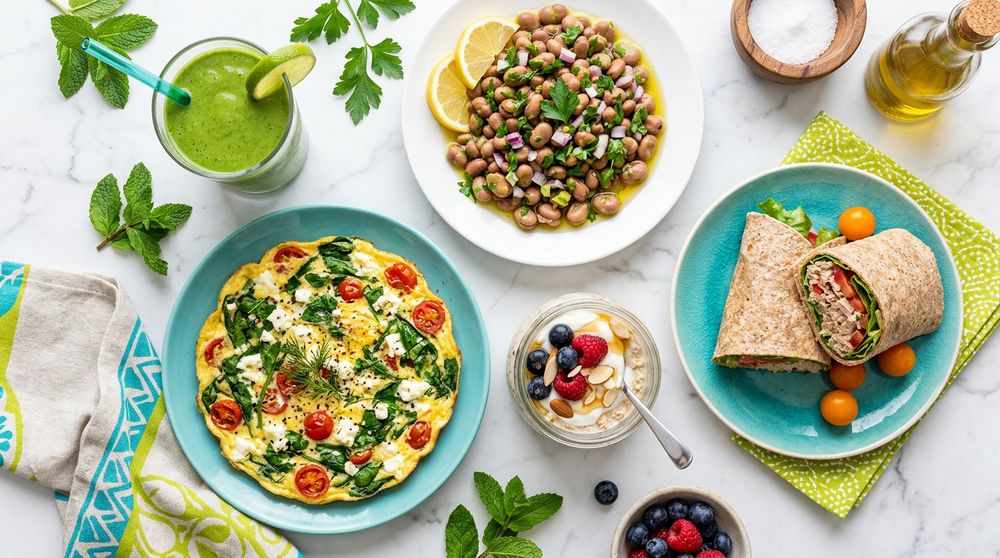
Diet Breakfast Recipes: 5 High-Protein Meals That Keep You Full for Hours and Support Weight Loss
Short answer: A breakfast that combines protein and fiber is one of the easiest ways to reduce mid-morning hunger and extra snacking, and so to support gradual weight loss. Try the five recipes below, and prep some ingredients ahead so the healthy choice is the easy one in the morning.
Quick summary: A breakfast that combines protein with fiber is one of the easiest ways to reduce mid-morning hunger and snacking, and so to support gradual weight loss. This guide gives you five diet breakfast recipes with gram measurements, a quick comparison table, practical tips, common mistakes and a meal-prep plan that fits a busy week.
Why does breakfast matter for weight loss?
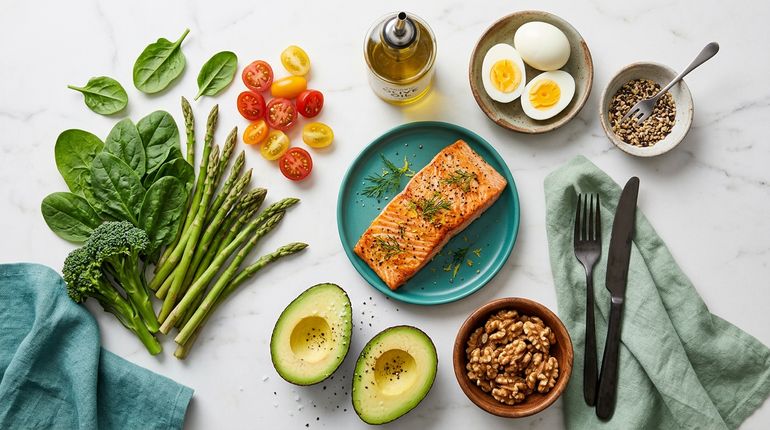
There is no magic breakfast that melts fat, but what you eat early in the day shapes how full you feel and the food choices you make later. When breakfast is sugary and low in protein, such as pastries, juice or sweetened cereal, blood sugar rises quickly and then drops, hunger returns fast and cravings for sweets and crunchy snacks grow. A breakfast rich in protein and fiber digests more slowly, keeps you full for longer and helps you stick to the calorie deficit that every weight-loss plan relies on, without harsh deprivation. CDC guidance describes a healthy eating pattern as one that includes vegetables, fruits and protein foods such as eggs, legumes, nuts and seeds, dairy without added sugars, and whole grains.
This does not mean breakfast is compulsory for everyone; some people feel comfortable with intermittent fasting. But if you prefer to eat in the morning, choosing the ingredients wisely makes a real difference, and that is what the recipes below are designed to do.
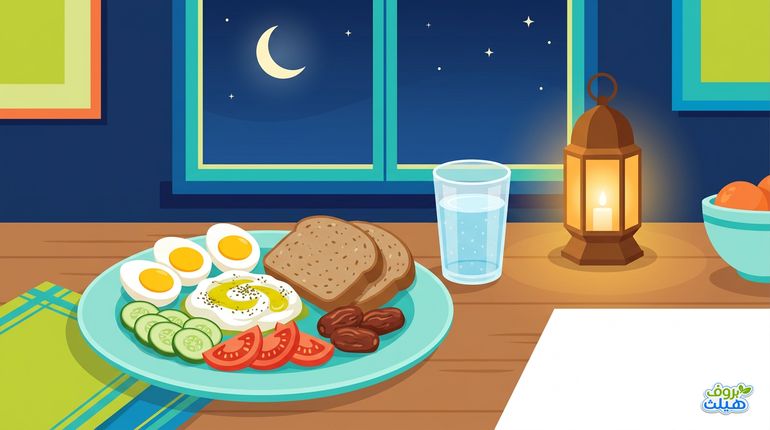
The plate rule: how to build a filling breakfast
- Protein in every meal: from eggs, Greek yogurt, cottage cheese, legumes or tuna.
- Fiber from at least two sources: leafy greens, oats, chia or flax seeds, fava beans, whole fruit.
- Healthy fats in measured amounts: a teaspoon of olive oil or a small handful of nuts.
- Complex carbohydrates in moderate portions: whole-wheat bread or oats instead of white bread and pastries.
- A drink with no added sugar: water, coffee, green tea or mint tea without sugar. To learn more about added sugar, read: Hidden Sugar: A Practical Guide to Cutting Back Without Deprivation.
Recipe 1: Spinach and tomato omelet with feta
Ingredients (1 serving): 2 whole eggs (about 100 g), 3 egg whites (about 100 g), 60 g fresh chopped spinach, 50 g diced tomato, 20 g crumbled feta, 1 teaspoon olive oil, black pepper and a pinch of salt.
Method: Heat the oil in a non-stick pan over medium heat, add the spinach and tomato and stir for two minutes until the spinach wilts. Whisk the eggs, egg whites and seasoning, pour them over the vegetables, sprinkle the feta and cook on low heat for 3 to 4 minutes until set. Fold and serve hot.
Nutrition notes: This meal gives you high protein with few carbohydrates, a good option for anyone who prefers a savory breakfast that lasts until lunch.
Recipe 2: Overnight oats with Greek yogurt and chia
Ingredients: 40 g oats, 150 g fat-free Greek yogurt, 100 ml low-fat milk, 10 g chia seeds, 60 g berries or strawberries, a pinch of cinnamon and a few drops of vanilla.
Method: Mix the oats, yogurt, milk, chia and cinnamon in a glass jar, stir well and refrigerate overnight or for at least six hours. In the morning, top with berries and eat it cold. If you need some sweetness, add half a teaspoon of honey.
Nutrition notes: A practical make-ahead recipe that combines protein, complex carbohydrates and fiber, and suits anyone short on time in the morning.
Recipe 3: Light lemony fava beans (foul medames)
Ingredients: 150 g cooked fava beans (rinsed canned or homemade), juice of half a lemon, 1 teaspoon olive oil, half a teaspoon of cumin, crushed garlic, 40 g chopped tomato, 10 g chopped parsley and a quarter of a small whole-wheat loaf (about 30 g).
Method: Warm the beans with a little of their liquid and mash them partly with a fork, then add the lemon, garlic and cumin. Drizzle with the oil, top with tomato and parsley, and serve with the whole-wheat bread. Go easy on the salt and rinse canned beans to reduce sodium.
Nutrition notes: This traditional dish gives you the highest fiber on the list, which makes it one of the most filling options at a very affordable price.
Recipe 4: Tuna wrap with cucumber and yogurt
Ingredients: 1 whole-wheat wrap (about 50 g), 80 g drained tuna in water, 40 g sliced cucumber, 2 lettuce leaves, 1 tablespoon (15 g) plain yogurt, juice of half a lemon, black pepper and dried mint.
Method: Mix the tuna with the yogurt, lemon and seasoning, spread it over the wrap with the lettuce and cucumber, roll tightly and cut in half. You can warm it for a minute in a dry pan to make it crisp.
Nutrition notes: A great choice for days when you eat breakfast at work or on the go, with fullness coming mainly from the protein in the tuna and yogurt.
Recipe 5: Spinach and apple protein smoothie
Ingredients: 200 ml low-fat milk, 100 g Greek yogurt, half a green apple (about 80 g), a handful of spinach (20 g), 1 tablespoon ground flaxseed (about 10 g) and a few ice cubes.
Method: Blend everything for one minute until completely smooth and serve immediately. Avoid adding too much honey or dates so the smoothie does not turn into a sugary drink.
Nutrition notes: Ideal as a very quick breakfast or a meal after a morning workout.
Quick comparison of the five recipes
| Recipe | Protein source | Fiber source | Carbohydrates |
|---|---|---|---|
| Spinach and feta omelet | Eggs and feta | Spinach and tomato | Low |
| Overnight Greek yogurt oats | Greek yogurt and milk | Oats, chia and berries | Moderate |
| Light fava beans | Fava beans | Beans and whole-wheat bread (highest on the list) | Moderate |
| Tuna wrap | Tuna and yogurt | Whole-wheat wrap and vegetables | Moderate |
| Spinach and apple smoothie | Milk and yogurt | Spinach, apple and flaxseed | Moderate |
This comparison is qualitative and varies by brand, portion size and cooking method, and it does not replace a plan built around your personal needs.
Practical tips to make your morning routine work
- Weigh your ingredients in the first week: a kitchen scale shows the difference between one spoon of oil and three, and trains your eye for portions.
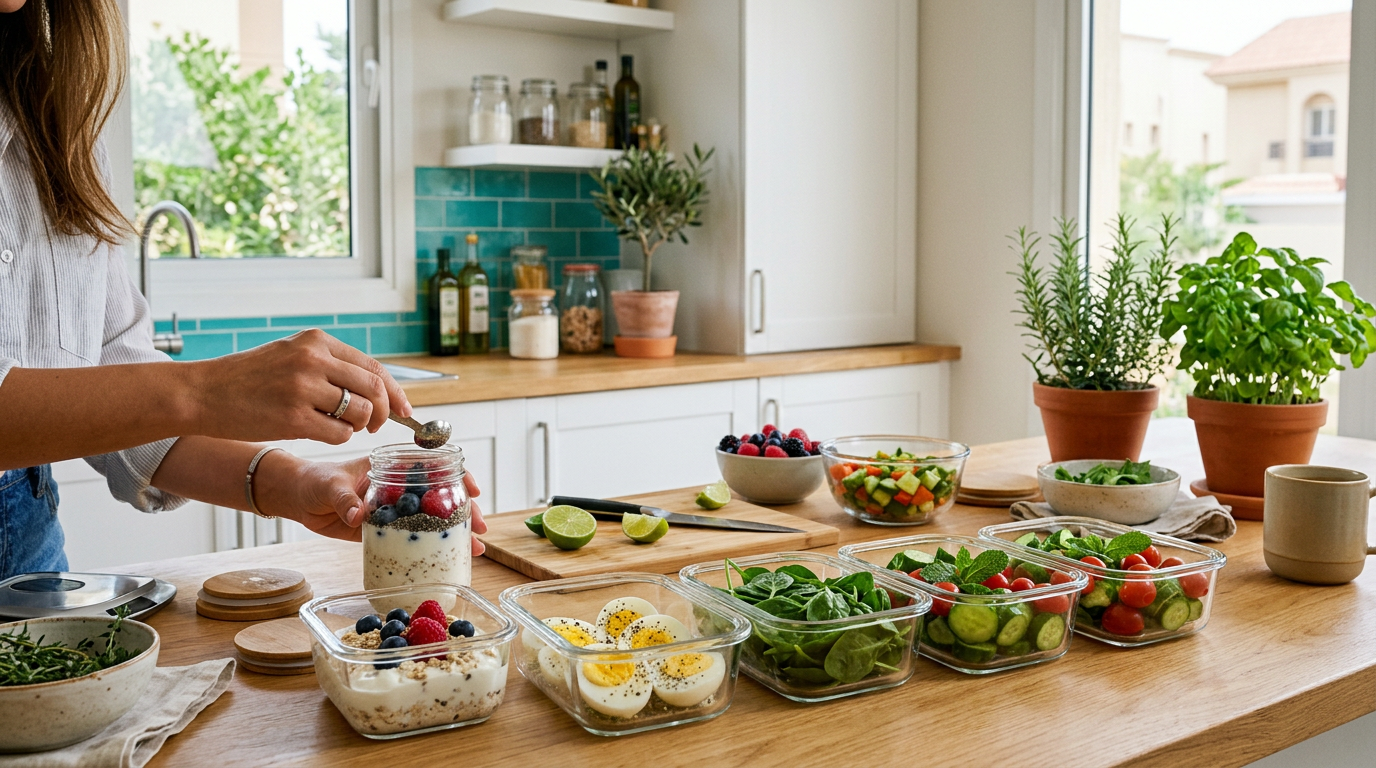
- Prepare protein ahead: boil six eggs at once and prepare three days of oat jars, so the healthy choice becomes the easy choice in the morning.
- Drink water first: a glass of water before breakfast helps you tell thirst from hunger.
- Rotate the recipes: variety prevents boredom and gives you a wider range of nutrients.
- Treat breakfast as part of the whole day: if breakfast is light, do not make up for it with a huge lunch; spread your protein across all three meals.
Common mistakes that slow weight loss
- Relying on ready-made juices: even natural juice contains a lot of free sugar and little fiber.
- Skipping protein: a breakfast of bread and jam alone brings hunger back soon after.
- Overdoing added fats: an extra spoon of oil or a big handful of nuts can add a lot of calories without you noticing.
- Assuming anything labeled 'diet' is healthy: always read the nutrition label and compare sugar and fiber.
- Rushing the results: a realistic rate of weight loss is usually around half a kilo to one kilo a week, which is close to the 1 to 2 pounds a week the CDC mentions, and consistency matters most.
A three-day meal-prep plan
On Sunday evening, set aside just 30 minutes: prepare three jars of overnight oats, boil six eggs, chop cucumber and tomato into airtight boxes, and open a can of fava beans, rinse it and store it in the fridge. In the morning you will need only a few minutes to assemble a balanced breakfast. Repeat midweek and you will save time and rely less on ready-made meals. For more on staying full, also read: Dietary Fiber for a Happier Gut and Longer Fullness and Mindful Eating and a 7-Day Plan.
Frequently asked questions
Is breakfast necessary for weight loss?
No. There is no magic breakfast, and some people feel comfortable with intermittent fasting. But if you prefer to eat in the morning, choose your ingredients wisely.
Can I prepare breakfast ahead?
Yes. Overnight oats, boiled eggs and chopped vegetables suit meal prep, as in the three-day plan above.
Are canned fava beans suitable for a healthy breakfast?
They can be, as long as you rinse them and go easy on the salt to reduce sodium, as in the foul medames recipe.
Is natural fruit juice a healthy substitute for fruit?
Not necessarily. According to WHO guidance, fruit juice counts as free sugars, while whole fruit gives you more fiber and fullness.
What is a realistic rate of weight loss?
According to the CDC, people who lose weight at a gradual, steady pace (about 1 to 2 pounds a week) are more likely to keep it off than people who lose weight faster.
Is this plan suitable for people with diabetes?
This article is general education. If you have diabetes or insulin resistance, you need a plan tailored with your doctor or dietitian.
When to talk to a professional
If you have diabetes, insulin resistance, a thyroid or kidney condition, are pregnant or breastfeeding, or have a food allergy, speak with your doctor or a registered dietitian before changing your diet. This article is general education and does not replace medical diagnosis or treatment.
Start your journey with Prof Health today
Want a nutrition plan that fits your lifestyle and budget in Riyadh? The Prof Health team helps you build a personalized nutrition plan, turn these recipes into a clear weekly program and track your progress with practical support, alongside fitness programs and courses that suit you.
Contact the Prof Health team now through our website, book your consultation and start your healthy plan.
- Personalized diet plan with one-to-one follow-up
- Book an online nutrition consultation
- The 30-day Challenge by Proof Health
For questions on WhatsApp: 0557 340 413
Sources
- CDC: Tips for Healthy Eating for a Healthy Weight
- CDC: Steps for Losing Weight
- Mayo Clinic: Weight loss: 6 strategies for success
- World Health Organization: Healthy diet fact sheet
Note: ingredient quantities are approximate and the nutrition comparison is qualitative. General reference: World Health Organization healthy diet guidance.