Chemical Diet: Does It Really Help With Weight Loss, or Do the Risks Outweigh the Benefits?
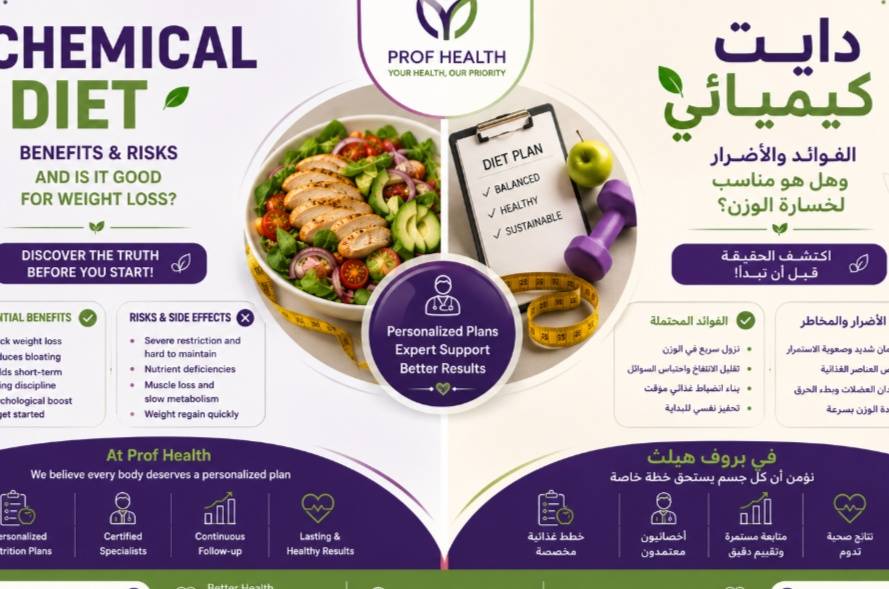
Many people look for quick ways to lose weight, especially before an important event or after a sudden increase in weight. Among the diets that are often discussed in this context is the chemical diet, a plan that has become popular because of its promise of rapid weight loss within a short period of time.
However, the real question is not only whether it can reduce body weight, but also whether it is safe, how it affects the body, and whether it can be considered a healthy long-term strategy or simply a temporary solution with potential downsides.
In this article, we take a balanced look at the chemical diet—what it is, its possible benefits, its most common risks and disadvantages, and why modern nutrition experts often prefer more flexible and balanced solutions such as the programs offered by , supported by nutrition specialists and ongoing follow-up.
What Is the Chemical Diet?
The chemical diet is generally considered a strict low-calorie eating plan that often relies on limiting food choices to a small list of items on specific days, such as eggs, certain vegetables, and lean protein sources, while significantly reducing carbohydrates and sugars.
It is called a “chemical diet” because some versions of it are promoted as a way to “change the body’s chemistry” or “boost fat burning” by combining certain foods in a specific way. In reality, weight loss is still mainly driven by well-known scientific factors such as calorie intake, protein consumption, physical activity, and long-term consistency, rather than the name of the diet itself.
In many cases, the chemical diet is followed for a short period—often one or two weeks—with the goal of achieving quick weight loss before an event or to break through a weight-loss plateau.
Why Do People Try the Chemical Diet?
There are several reasons why people are drawn to the chemical diet, including:
- The desire to lose weight quickly
- A nearby event such as a wedding, trip, or important occasion
- Frustration with slow progress on more balanced diet plans
- The belief that stricter diets produce faster results
- Influence from social media success stories and before-and-after transformations
But the excitement around fast results often makes people overlook an important question: Is rapid weight loss actually healthy, and can it be maintained?
How Does the Chemical Diet Work?
In most of its popular versions, the chemical diet works by sharply reducing daily food intake and following a fixed, restrictive meal structure with very little variety. This lowers overall calorie intake, which can lead to weight loss.
However, it is important to distinguish between three different things:
1. Fat Loss
This is the real goal of any effective nutrition plan: reducing body fat in a healthy and sustainable way.
2. Water Loss
Many strict diets cause rapid weight loss at first because the body loses stored water, especially when carbohydrates and sodium are reduced significantly.
3. Reduced Bloating and Lower Food Volume in the Digestive System
When food intake becomes smaller and foods that trigger bloating are removed, people often feel lighter and notice a drop on the scale or around the waistline. But this does not always mean they have lost a meaningful amount of body fat.
This is why the chemical diet may produce fast results on the scale, but it is not necessarily the best option for healthy, sustainable fat loss.
Potential Benefits of the Chemical Diet
Although the chemical diet has many limitations, there are still some short-term benefits that may explain why people try it.
1. Rapid Weight Loss in a Short Period
The biggest reason people turn to the chemical diet is that it may help them lose weight quickly over a few days or weeks, especially if they were previously eating a high-calorie diet and suddenly switch to a very low-calorie plan.
2. Reduced Bloating and Water Retention
By cutting back on sugar, refined carbohydrates, and highly processed foods, some people notice less bloating and less water retention, which can create a feeling of lightness and visible short-term progress.
3. Temporary Reset From Chaotic Eating Habits
In some cases, a person may have fallen into a pattern of constant overeating, frequent takeout meals, or unstructured snacking. A short, structured plan may help them regain a sense of control temporarily—as long as it does not create an unhealthy relationship with food.
4. Psychological Motivation to Start
Some people need a strong initial result to stay motivated. Losing a few kilos at the beginning can encourage them to continue and later transition to a more balanced eating plan.
That said, a short-term benefit does not automatically mean the diet is a good long-term solution.
Risks and Downsides of the Chemical Diet
While the chemical diet may sound appealing because of its fast results, it also comes with several disadvantages that make many nutrition professionals cautious about recommending it—especially when followed without guidance or for long periods.
1. Extreme Restriction and Poor Sustainability
One of the biggest problems with the chemical diet is that it is highly restrictive and often does not take into account personal food preferences, lifestyle, work schedule, or social situations. Over time, sticking to it can become mentally exhausting, leading to boredom, cravings, or a strong urge to quit.
This is where the common cycle of strict dieting appears:
intense restriction for a short period, followed by loss of control, followed by weight regain.
2. Risk of Nutrient Deficiencies
When a diet relies on a very limited list of foods, the body may not get enough of important nutrients such as:
- Vitamins
- Minerals
- Fiber
- Healthy fats
- A balanced intake of carbohydrates and protein
Over time, this may affect energy levels, concentration, mood, digestion, and even hair and skin health.
3. Loss of Water and Muscle Mass Instead of Fat
With very low-calorie diets, not all the weight lost comes from body fat. Some of it may come from water loss, and some may come from lean muscle tissue if protein intake is not sufficient and physical activity is not properly managed.
This matters because preserving muscle mass is essential for metabolism, physical strength, and long-term weight management.
4. Slower Metabolism Over Time
When calorie intake drops too aggressively, the body may adapt by lowering energy expenditure. Over time, this can make weight loss slower and make it harder to maintain results after the diet ends.
5. An Unhealthy Relationship With Food
Strict diet plans can create an unhealthy mindset around food. People may begin to see food as either “good” or “bad,” feel guilty after eating something outside the plan, or become overly anxious about meals. This can increase stress and make long-term adherence much more difficult.
6. Not Suitable for Everyone
The chemical diet is not appropriate for all individuals, especially those with certain health conditions such as:
- Diabetes
- Thyroid disorders
- Kidney problems
- A history of disordered eating
- Pregnancy or breastfeeding
- Certain digestive issues
For this reason, no restrictive diet should be followed randomly without considering a person’s medical background and nutritional needs.
Does the Chemical Diet Actually Work for Weight Loss?
Yes, it may lead to weight loss—but the more important question is: What kind of weight is being lost, and can the results last?
In many cases, the early drop on the scale is a combination of:
- Water loss
- Reduced bloating
- Less food volume in the digestive system
- Some fat loss if calorie intake is significantly reduced
The bigger issue is not whether the number on the scale goes down in the short term, but whether the person can maintain the result after the diet ends. Many people return to their old eating habits as soon as the diet is over, which often leads to weight regain—and sometimes even more than before.
That is why nutrition professionals do not define success as a quick drop on the scale. Real success means being able to:
- Lose weight in a healthy way
- Preserve muscle mass
- Avoid unnecessary restriction
- Build a stable relationship with food
- Maintain progress over time
When Is a Balanced Diet Better Than a Chemical Diet?
In reality, a balanced nutrition plan is the better option in most cases. A well-designed plan does not focus only on losing weight; it also aims to improve a person’s overall lifestyle and make results sustainable.
A balanced plan focuses on:
- Creating a moderate calorie deficit without starvation
- Providing enough protein to preserve muscle mass
- Including vegetables and fiber to support satiety and digestion
- Organizing meals in a way that fits real life
- Allowing flexibility instead of total restriction
- Addressing health conditions such as insulin resistance, PCOS, or diabetes
This is the key difference between a temporary diet and a personalized nutrition strategy built around your body and your goals.
How Prof Health Offers a Better Alternative to Restrictive Diets
If your goal is to lose weight in a healthy, realistic, and sustainable way, the best solution is usually not to keep searching for the next strict diet trend. Instead, it is better to work with a professional team that understands your body and helps you build a plan that actually fits your life. This is where offers a different approach from one-size-fits-all diet plans like the chemical diet.
At Prof Health, the idea is not to put every person on the same rigid meal plan. Instead, nutrition programs are built around the individual’s:
- Weight, height, and health goals
- Lifestyle and daily routine
- Meal preferences and schedule
- Medical history
- Weight-related conditions such as insulin resistance, PCOS, or thyroid issues
This means clients do not receive a random generic diet—they receive a personalized nutrition plan designed around their real needs.
What Makes Prof Health’s Programs Different?
Based on the approach presented by Prof Health, the main philosophy is centered on nutrition + personalization + follow-up + professional support, rather than strict deprivation or unrealistic rules.
1. Personalized Nutrition Plans
Instead of asking everyone to follow the same chemical diet, Prof Health creates meal plans based on each person’s body, lifestyle, and health goals.
2. Ongoing Follow-Up
Follow-up is one of the most important parts of long-term success. Having a nutrition specialist review progress, answer questions, and adjust the plan when needed makes it much easier to stay committed.
3. Consideration of Different Health Conditions
Some people do not simply need a “weight loss diet.” They need a nutrition strategy that also supports their medical condition. This is why professional guidance matters—because the right plan may look very different for someone with insulin resistance, PCOS, digestive issues, or blood sugar challenges.
4. A Focus on Sustainability, Not Shock Results
The goal is not just to lose weight this week. The goal is to create a plan that still works after one month, three months, and six months.
5. More Than One Program Option
Whether someone needs a structured weight loss plan, a flexible nutrition program, or support for a specific health goal, having multiple program options makes it easier to find a suitable path.
Why Do Nutrition Specialists Matter?
One of the biggest differences between random internet diets and professional nutrition care is the presence of a qualified specialist. The problem with many popular diet trends is not only the food itself—it is that they ignore the fact that people are different.
Working with a nutrition specialist can help with:
- Assessing the case properly from the beginning
- Identifying health issues that affect weight
- Calculating calorie and protein needs accurately
- Adjusting the plan if progress slows down
- Offering guidance, accountability, and practical support
This makes a major difference between someone following a chemical diet from social media and someone working through a personalized nutrition program built specifically for them.
Can You Start Fast and Still Transition Into a Healthy Plan?
Yes—and in many cases, this is actually the best strategy. Some people want a strong start to reduce bloating, regain structure, or feel more motivated. That can be fine, as long as the “quick start” is part of a bigger plan rather than an endless cycle of restriction and rebound.
A better approach usually looks like this:
- Assess the person’s health status and goals
- Use a suitable starting phase if needed
- Transition into a balanced, sustainable nutrition plan
- Continue with follow-up and plan adjustments
- Build habits that can realistically last
Frequently Asked Questions
Is the chemical diet good for weight loss?
It may help some people lose weight quickly in the short term, but it is not always the best option if the goal is healthy, sustainable fat loss.
What are the risks of the chemical diet?
The most common risks include excessive restriction, nutrient deficiencies, loss of water and muscle mass, and difficulty maintaining results long term.
Is all the weight lost on the chemical diet actual fat?
Not necessarily. Some of the early weight loss may come from water loss and reduced bloating rather than significant fat loss.
Which is better: the chemical diet or a balanced nutrition plan?
If the goal is long-term health, fat loss, and sustainable results, a balanced and personalized nutrition plan is usually the better choice.
How does Prof Health help with weight loss?
Prof Health supports weight loss through personalized meal plans, ongoing follow-up, nutrition specialists, and programs tailored to the person’s goals, lifestyle, and health condition.
Conclusion
The chemical diet may seem attractive for people looking for rapid weight loss, but it is not always the safest or most sustainable option. Real weight loss is not just about seeing a lower number on the scale—it is about protecting your health, preserving muscle mass, improving your relationship with food, and building a lifestyle you can actually maintain.
That is why, if you are looking for results that last, it is better to move away from the idea of a “temporary diet” and toward a personalized nutrition plan that takes your body, goals, lifestyle, and health condition into account. This is exactly where adds value—through expert guidance, customized nutrition programs, and ongoing support that focuses not only on losing weight, but on building a healthier and more sustainable way of living.